Javier Miguélez: define the application before choosing the mobile robot
The Moving Robots conversation puts application design at the centre of the automation decision.
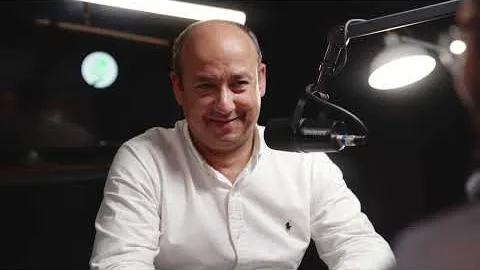
Javier Miguélez in conversation with Industry Focus. Image: Industry Focus.
Asked which matters more in mobile robotics, hardware or software, Javier Miguélez puts another subject first: the application. In our Intralogistics Insiders conversation, he argues that a project needs a clear account of the work before equipment and software choices can be judged.
At the time of our interview he was introduced through his work with Moving Robots and ARME. His estimates reflect his own experience rather than industry-wide statistics.
Define the job before the technology
Javier’s emphasis on application design appears repeatedly. The load being moved, the process and the expected future conditions shape what the system needs to do.
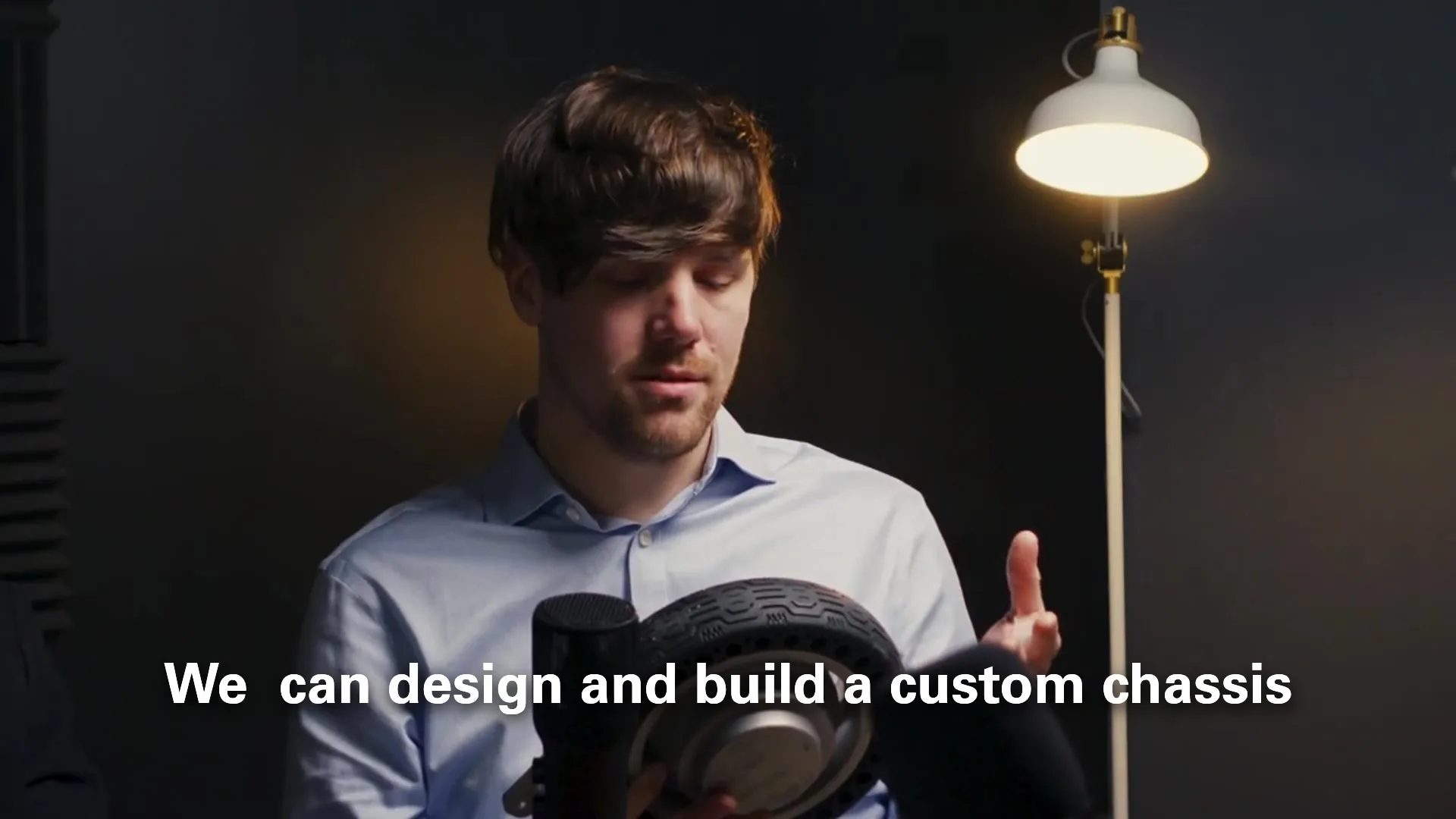
Javier Miguélez speaking to Industry Focus. Image: Industry Focus.
He gives the example of a changing load: a vehicle suited to a one-tonne pallet cannot automatically perform the same job if the load later becomes three tonnes. In some cases, he says, changes require redesign rather than a simple software update.
The example makes flexibility concrete. It is not merely the promise that a system can change. It includes understanding which changes the original design can accommodate and which alter the problem itself.
Measure what the project is trying to improve
The interview distinguishes automation from making every task faster. Javier discusses operating costs, labour availability and reducing people’s involvement in dangerous work as reasons for investment.
When asked about improvement, he returns to measurement. A process must first be understood well enough to establish what is happening, whether that information is collected online or by another method.
This is a useful counterweight to assuming that robot speed is the complete business case. The relevant comparison may include the cost of the existing arrangement, the work performed by people and the new responsibilities created by automation. He did not offer a general payback model or a verified result for a named customer.
Skills and support remain part of the system
Javier says automation changes the type of human work required. In his account, more specialised skills are needed around the equipment and its operation.
He describes three levels of maintenance: straightforward activities such as cleaning, more technical vehicle-hardware work and software-related investigation. The purpose of the distinction is to connect a detected problem with the expertise needed to address it.
That makes support part of the design conversation. A fleet may be able to perform its normal task while still requiring a clear way to identify problems, decide who responds and involve the appropriate specialist.
Interoperability helps, but scope still matters
The conversation also discusses communication between vehicles from different manufacturers. Javier sees the lack of common communication as an obstacle to combining systems.
At the same time, he argues that communication is not the whole application. Maps and the characteristics of the loads also matter. He describes VDA 5050 in terms of the relationship between a robot and fleet management, rather than a complete specification of every part of a project.
His remarks are not a current standards guide; their value is the reminder that an interface and a functioning material-flow application have different scopes.
Adoption includes uncertainty inside the customer
Javier identifies fear of failure and lack of knowledge as barriers to investment. Those observations fit his wider argument: a clearer application definition can make the decision more concrete.
They do not imply that hesitation is irrational or that every operation should automate immediately. The interview points towards understanding the work, the economics, the future changes and the support needed before making the choice.
For an industrial reader, that is the thread connecting the conversation. The robot is part of a designed application, and the quality of that design affects what the technology can deliver.
Questions answered
What comes before choosing hardware or software? Javier argues for defining the application and the work it must perform.
Does automation always make a task faster? He explicitly distinguishes automation from a simple reduction in task time.
What must remain visible after installation? The skills, measurement and support responsibilities needed to keep the operation working.
Free membership
Keep reading — it’s free.
Join with your company email to read every case study, interview and article in full. No payment, no card.