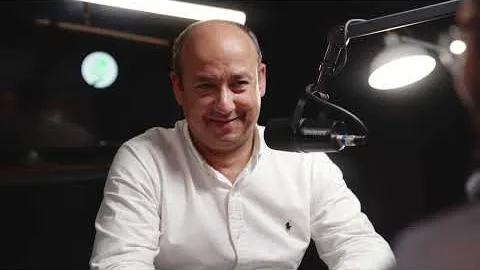
Jana Jost: robotics research has to meet a changing world
The conversation follows the gap between a defined robot task and the situations that appear when people and environments change.
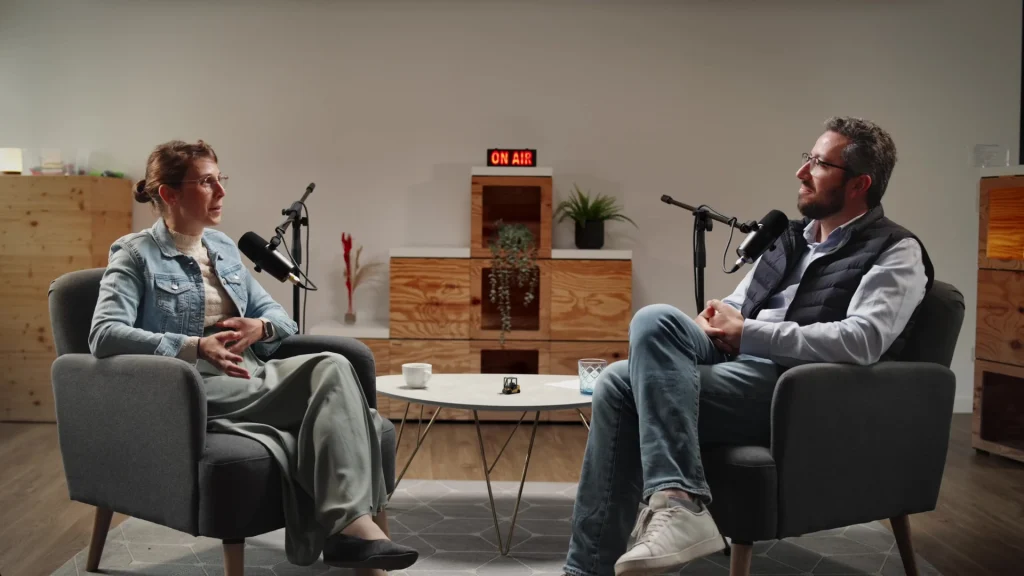
Jana Jost in conversation with Industry Focus. Image: Industry Focus.
Speaking to Industry Focus, Jana Jost connects three research areas: mobile robots, sensing and the relationship between people and technology. The shared question is how a robotic system can act usefully when the world is not fully described in advance.
Her research directions, examples and role are reported as they stood at the time of our interview.
Curiosity led from computers to physical systems
Jana describes studying informatics with a focus on robotics and working at Fraunhofer IML as a student. She links that interest to wanting to understand how computers worked and how an experience could be changed.
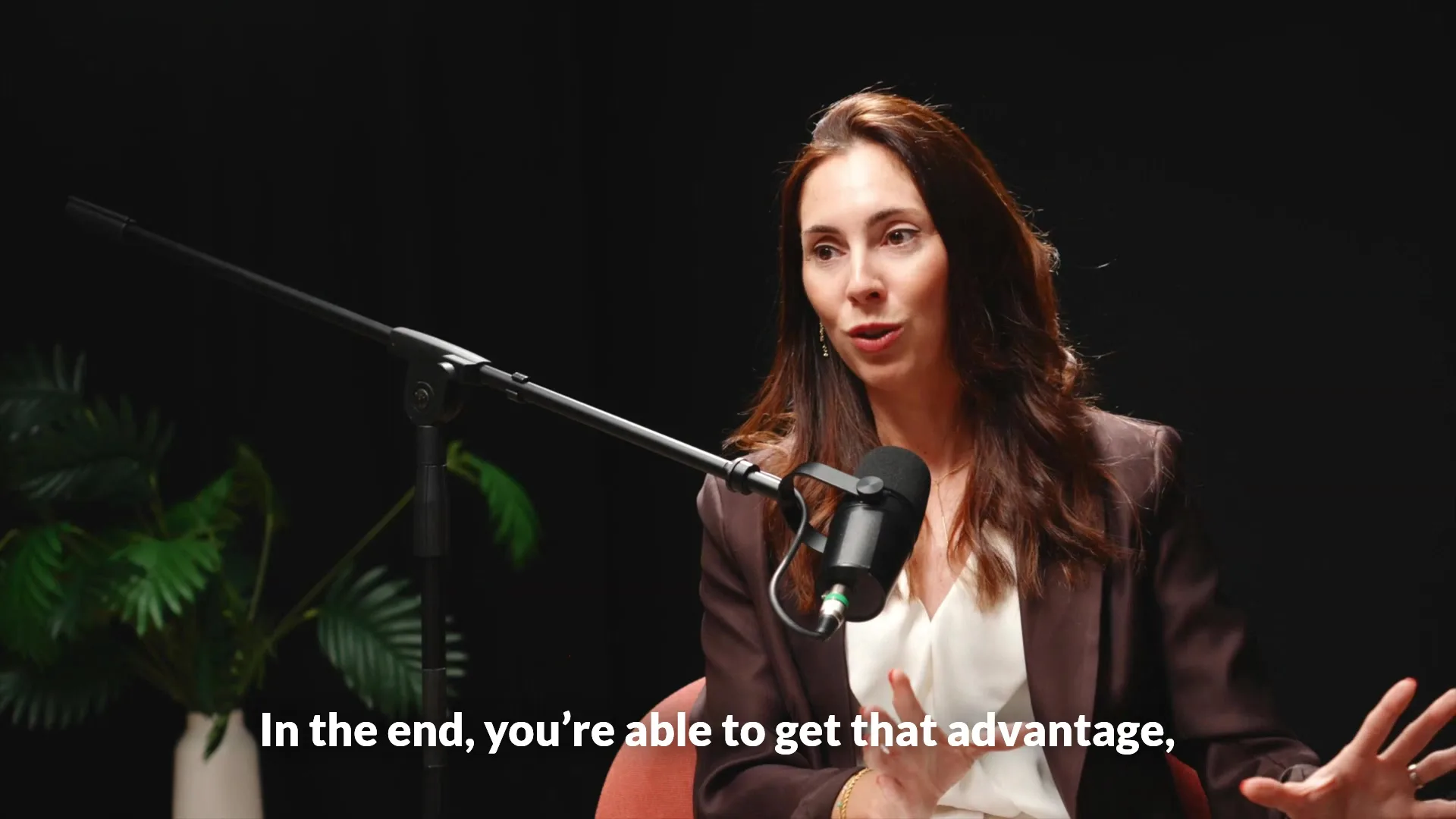
Jana Jost speaking to Industry Focus. Image: Industry Focus.
Her account does not begin with a fixed ambition to work on intralogistics. It develops into a field where software and interaction have a visible effect on machines and people.
That gives the interview a useful perspective on research careers: the questions can carry a person into an application area they did not originally plan to enter.
Industrial needs and research questions interact
Asked where fleet-management research comes from, Jana describes both customer interests and research-led investigation. She distinguishes the operational demand for coordinated fleets from the exploration of approaches such as multi-agent and partly decentralised systems.
Not every research idea is presented as a deployed customer feature. It makes room for investigating alternatives while recognising the needs of the organisations using the technology.
One of the recurring challenges is a heterogeneous fleet making decisions in a changing environment. The interview’s point is the difficulty of the problem, not an assurance that a communication label eliminates every integration difference.
Perception has to deal with what was not planned
Jana explains sensing as a way for a robot to obtain information about situations its developers could not completely anticipate. She also discusses algorithmic development and using AI where it addresses a useful problem, rather than adding it indiscriminately.
Beyond any single sensor or speed figure, the important relationship is between an uncertain situation, the information available and the system’s ability to respond.
It is an account of research themes rather than a design specification or a safety assessment for a particular application.
A person can remain part of the response
The conversation includes teleoperation as one way to address situations a robot cannot handle alone. Jana describes a person receiving information and helping the system through a difficulty, with the possibility of learning from that interaction.
That is a more precise account than simply saying automation replaces human judgement. It also distinguishes a supported research or operating approach from a promise of complete autonomy.
She did not quantify learning performance or suggest the same arrangement suits every environment; what she sets out is the role such a connection plays in her research.
New environments introduce new users
Jana discusses applications beyond familiar industrial settings, including places where the people encountering a robot may not be engineers or experienced operators. That broadens the problem from navigation alone to communication and expectations.
The interview’s value is the way these subjects remain connected. Better sensing, a different decision system and an improved human interaction are not isolated themes when a robot has to work in an unfamiliar situation.
Her account encourages readers to distinguish the task demonstrated, the support still required and the questions under investigation. Keeping those boundaries visible makes research progress easier to understand without presenting every promising direction as a finished product.
Free membership
Keep reading — it’s free.
Join with your company email to read every case study, interview and article in full. No payment, no card.