Wolfgang Hackenberg: choosing the software problem an industrial startup will solve
Our conversation with the founder examines the strategic choices behind a software business serving industrial operations.
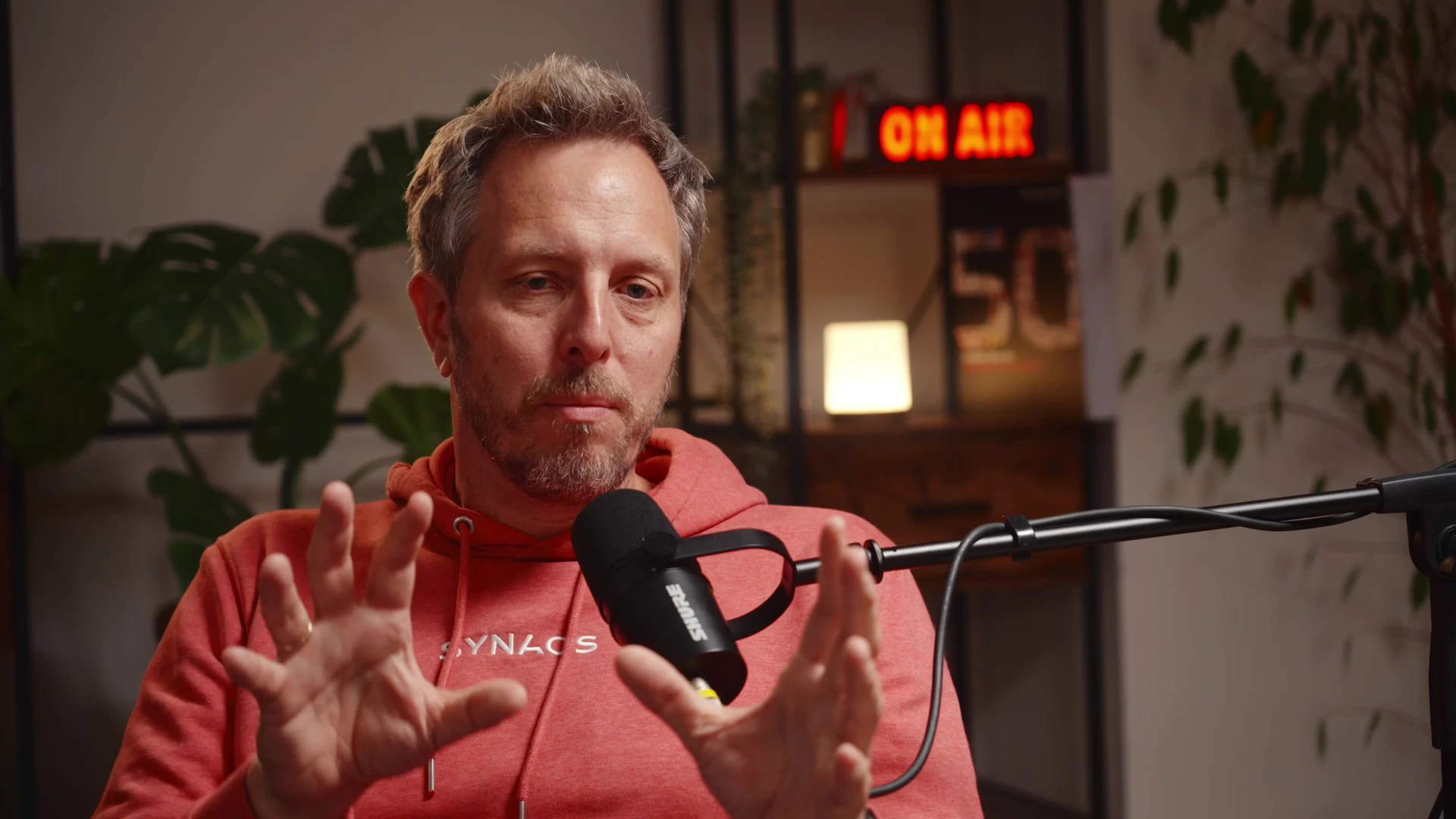
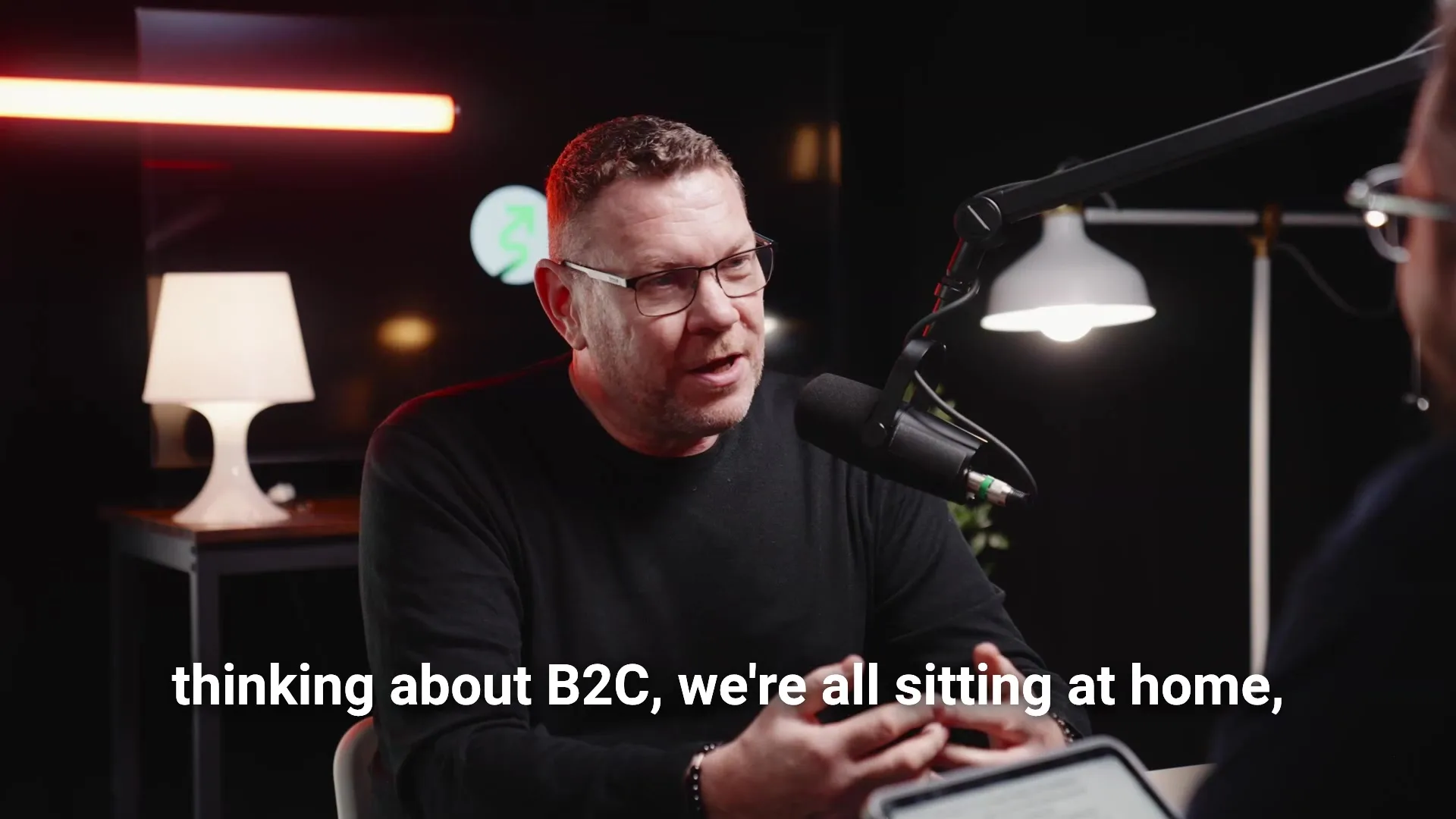
Wolfgang Hackenberg in conversation with Industry Focus. Image: Industry Focus.
Speaking to Industry Focus, Wolfgang Hackenberg traces his path from logistics and production IT into building SYNAOS. The most interesting part is the choice of problem: the team saw an opportunity in software for coordinating intralogistics, then had to decide how broadly to pursue it.
His account is presented as a founder’s historical perspective. The article does not turn personal recollections, competitor comparisons or market-scale claims into independently verified current facts.
The starting point was production IT
Wolfgang describes academic and professional experience around logistics, IT and the production environment at Volkswagen. He explicitly distinguishes that work from being responsible for operational logistics itself.
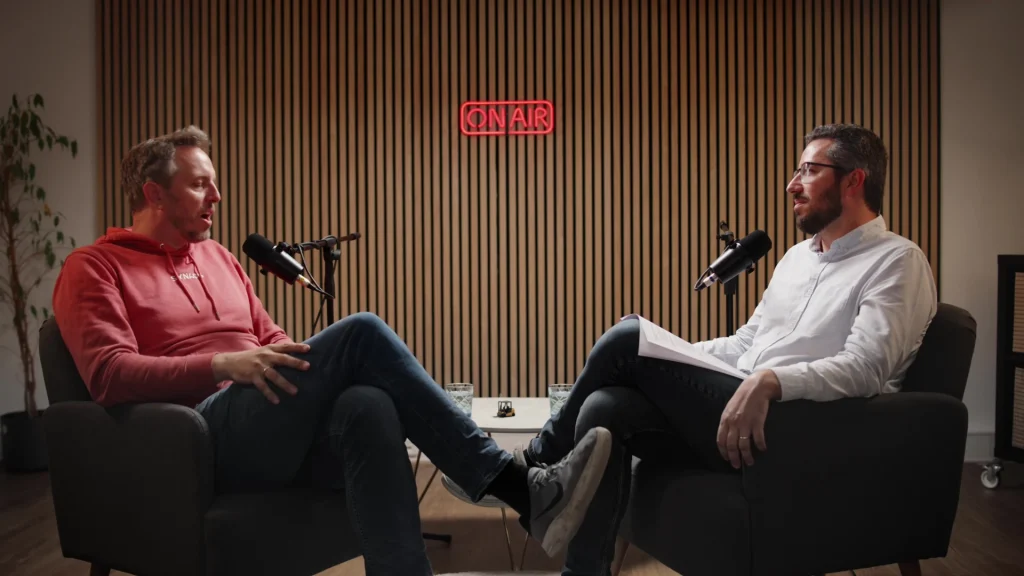
Wolfgang Hackenberg speaking to Industry Focus. Image: Industry Focus.
That distinction matters to the story. The perspective he brought concerned information flows, digitisation and the software around a factory, rather than a claim to have personally managed every movement in the plant.
In the interview, this becomes the basis for seeing an opportunity that a focus on physical equipment alone could miss.
Building outside the original organisation changed the opportunity
Wolfgang describes discussions about taking an idea into a separate company, with the ability to find other customers and funding. He presents the decision as a way to develop the technology beyond the setting in which the founders first encountered the problem.
The account does not establish the details of a financing transaction or an independently verified corporate history. Its contribution is the strategic reasoning he describes: developing an industrial software product requires people, resources and a route to a wider market.
That is different from simply completing a one-off internal project. The software has to become something an organisation can continue building and supporting for different customers.
Focus meant leaving some scope aside
The interview describes an early ambition to address production scheduling as well as logistics. Wolfgang says the team then concentrated on intralogistics coordination to focus its effort.
That is a concrete product decision. A broader problem may be attractive, but a company still needs to choose where it can build sufficient depth.
Claims about being first or the only provider in a market are not needed to explain the decision to focus, and no comparative research was offered to support them.
The operation includes people and infrastructure
Wolfgang describes intralogistics as a combination of mobile robots, forklifts, people and infrastructure. He gives examples in which software helps organise work around an automated system rather than treating all human activity as something that immediately disappears.
For instance, a transport arrangement can still require people at handover points. The usefulness of software then depends on the relationship between the automated movement and the human task around it.
The interview therefore frames coordination as the problem being addressed. It does not supply a universal productivity gain or an audited result applying to every kind of resource.
Software value has to be explained in operating terms
A recurring theme is the visibility of physical equipment compared with less visible software. Wolfgang argues that information and decision-making can matter even when the improvement is not another machine a visitor can point to.
The strongest reading of that argument asks which operating decision changes and how the customer can observe the effect. This is an editorial interpretation of the conversation, not a new performance claim.
The founder story is useful because it connects an observed industrial problem with the choices required to build a company around it. Its central lesson is strategic focus: define the software’s job clearly enough that development, customer discussions and implementation can work towards the same operating problem.
Free membership
Keep reading — it’s free.
Join with your company email to read every case study, interview and article in full. No payment, no card.