Philipp from SYNAOS: stable operations come before the AI headline
Our conversation with SYNAOS places data, process integration and operator understanding ahead of technology labels.
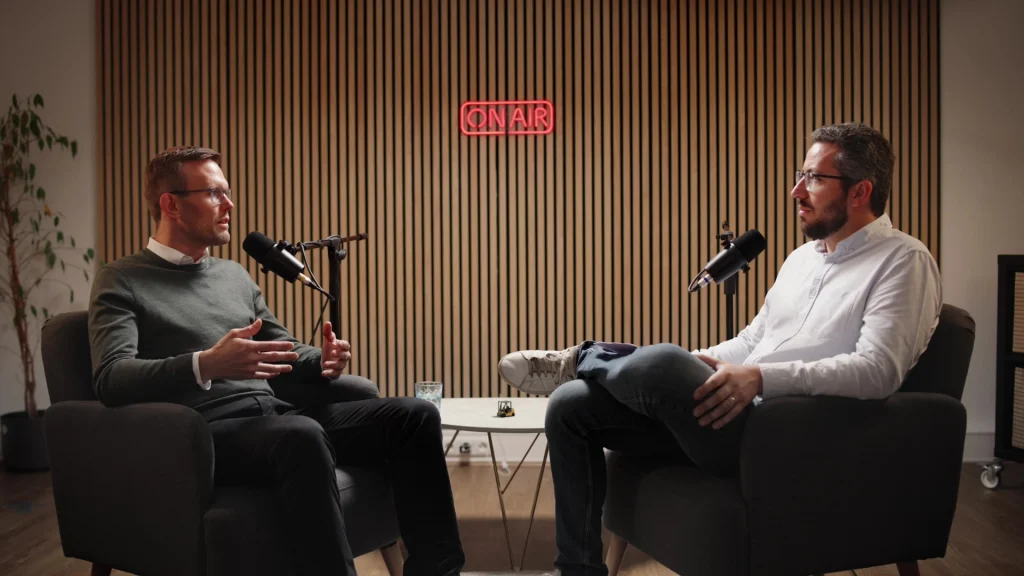
Philipp of SYNAOS in conversation with Industry Focus. Image: Industry Focus.
In our Intralogistics Insiders conversation with Philipp from SYNAOS, the strongest theme is an integrated view of the operation. A fast production machine, a capable mobile robot or a new algorithm has limited value if the surrounding process cannot make use of it.
Philipp speaks from the perspective of a software supplier, and his product descriptions and market observations reflect the time of our interview.
Look at the journey, not one fast step
Philipp uses the example of an air journey to describe a production problem. A short flight does not make the overall trip quick if the traveller spends a long time in security and then waiting for luggage.
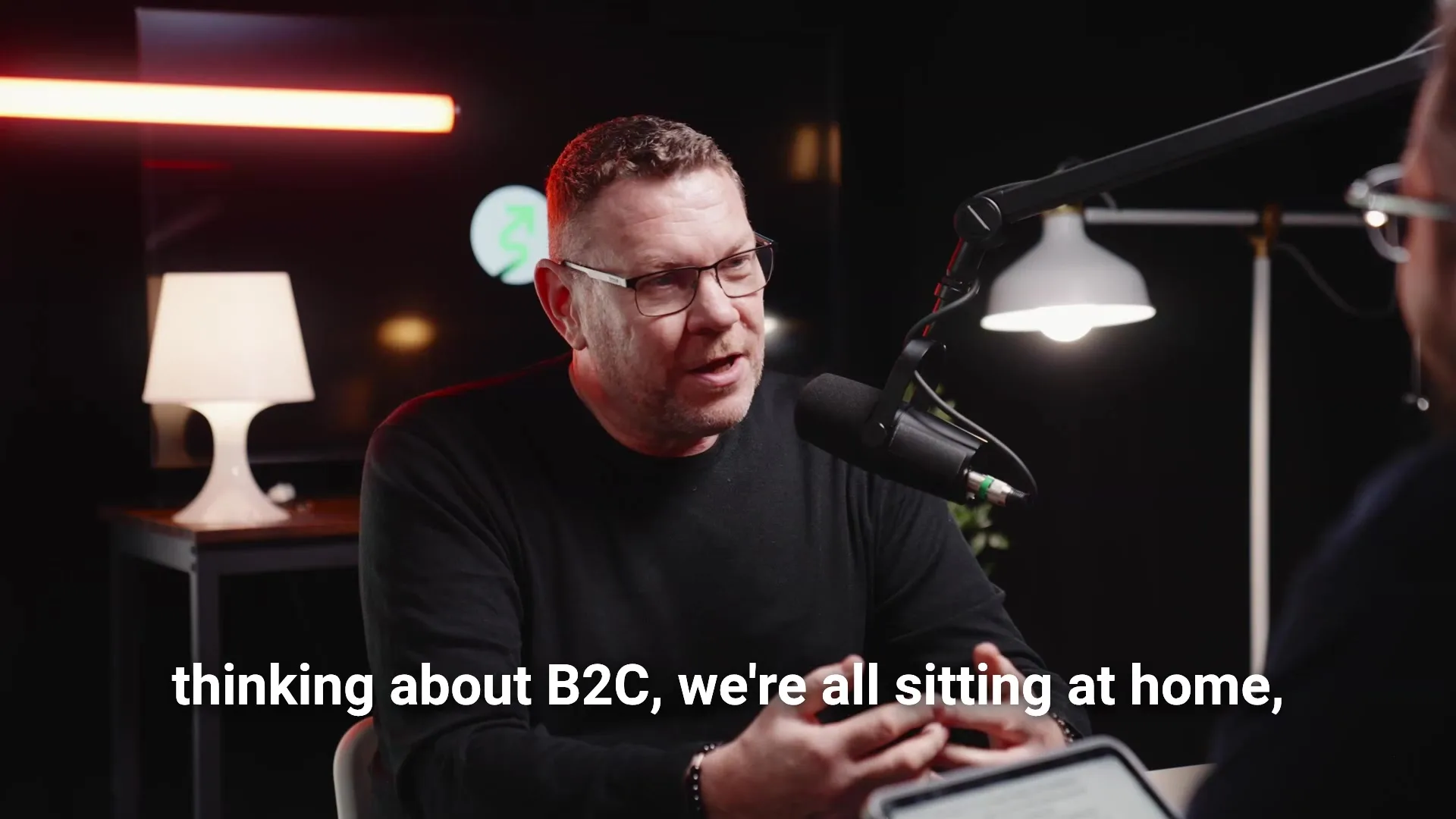
Philipp of SYNAOS speaking to Industry Focus. Image: Industry Focus.
His comparison connects directly to manufacturing. An efficient production step still depends on material arriving and finished goods moving away. Optimising one part without considering the steps around it can leave the overall result disappointing.
The important contribution is the change in scale of observation. The process includes the work before and after the machine, not only the machine cycle itself. Intralogistics becomes part of the production discussion rather than a separate transport service that follows it.
Data must be used, not simply collected
When the conversation turns to AI, Philipp introduces a reality check. He describes operations that still need basic data infrastructure and more effective use of existing information.
His example is allocating transport orders. The system receives information about the work to be completed and the available robots, then uses that information to update decisions. A plan made once for a shift cannot fully describe what will happen as conditions change.
The distinction is between possessing data and incorporating it into the operation. Philipp’s emphasis is on creating a foundation that allows decisions to respond to the situation on the shop floor.
He does not reject improved algorithms. He places them after the work needed to make information available and useful. Stable operation and achievement of operational goals remain the outcome he says customers care about.
People need to understand automated behaviour
Another part of the interview concerns trust. Philipp argues that introducing automation also means helping the people working around it understand the system.
He gives a simple example: a robot may stop because another robot has been given priority. To someone without that information, the pause may look unexplained. Making the reason understandable can change how the behaviour is interpreted.
Training and visibility therefore sit alongside the software’s decision-making capability. The interview presents a system people can understand as an important part of adoption, rather than assuming confidence will follow automatically from installation.
Technology choice depends on the environment
The discussion of AGVs and AMRs follows the same pattern. Philipp avoids declaring a universal winner. Predictable routes and more flexible navigation have different implications depending on the process, layout and surrounding traffic.
His position is that the operating context should guide the choice. A feature that is useful in one environment can introduce complexity in another. His view is a conditional one: it is neither a safety assessment nor a recommendation of a vehicle type for any particular site.
A practical thread through the interview
Across these topics, Philipp returns to the connection between information and operation. Understand the flow, make relevant data available, use it in decisions and help people interpret the result.
That sequence is valuable because it gives an industrial team something more concrete to discuss than whether a system contains AI. The better question is which decision improves, what information supports it and how the effect is visible in daily work.
Questions answered
Does Philipp present AI as the first step? No. He emphasises data infrastructure, use of information and stable operations as foundations.
Why include people in a software discussion? Operators need to understand why an automated system behaves as it does, including apparently unexplained stops or priorities.
Does the interview choose AGVs or AMRs for every application? No. Philipp relates the choice to the process, environment and layout.
Free membership
Keep reading — it’s free.
Join with your company email to read every case study, interview and article in full. No payment, no card.