Lennart Bochmann: turning an internal problem into a market-facing product
Our interview follows the move from a problem seen inside one organisation to a product intended for many operations.
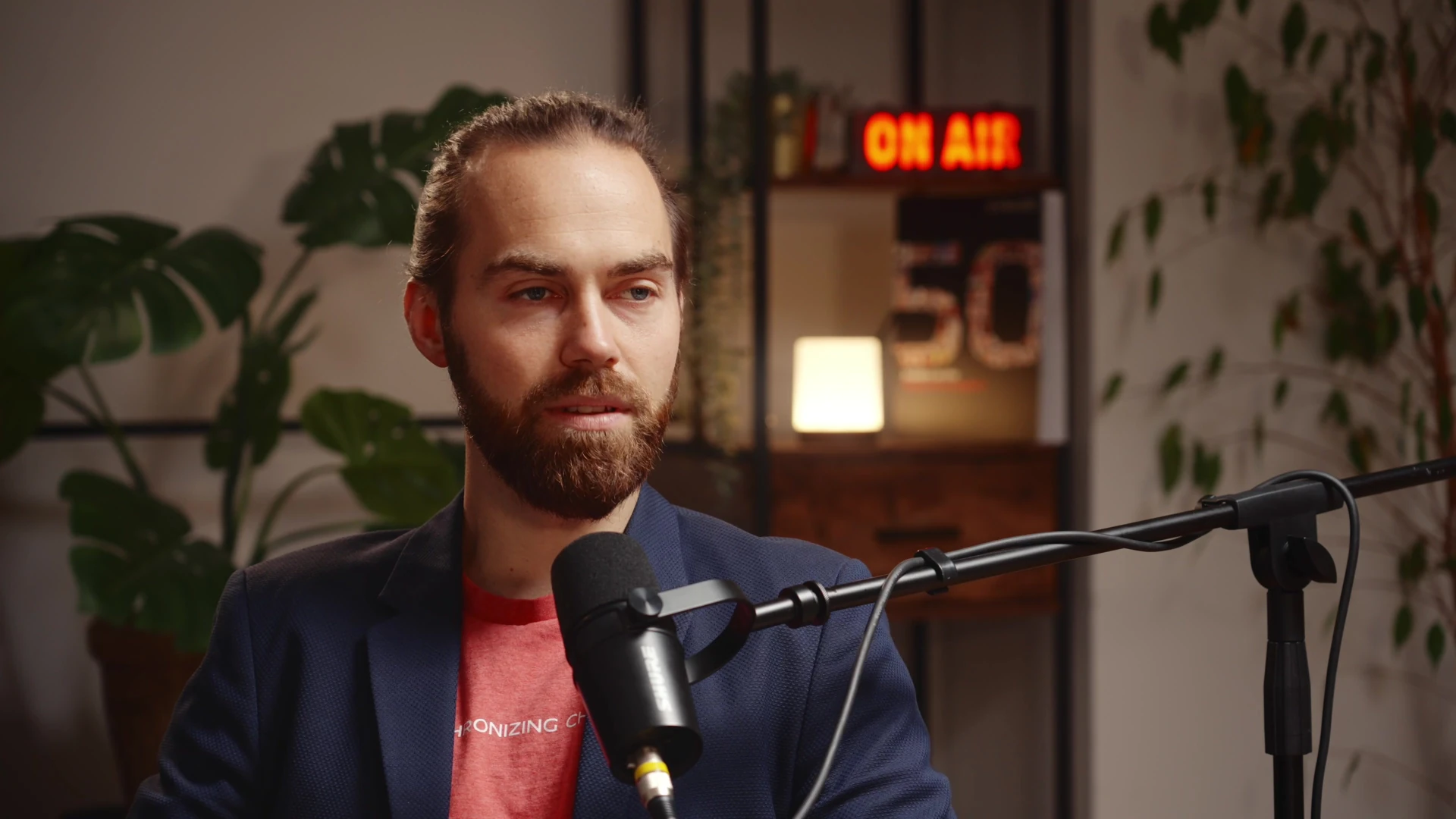
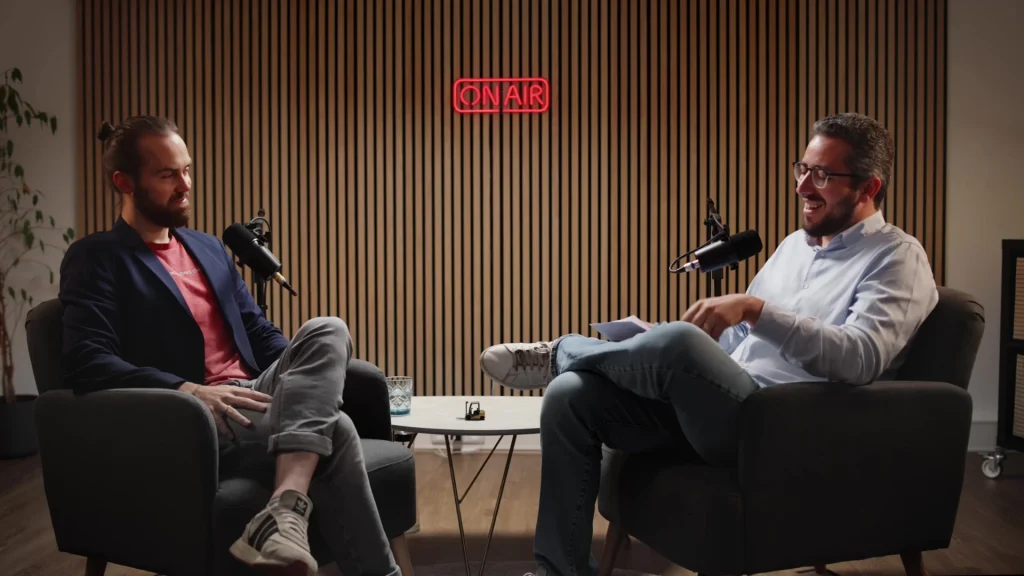
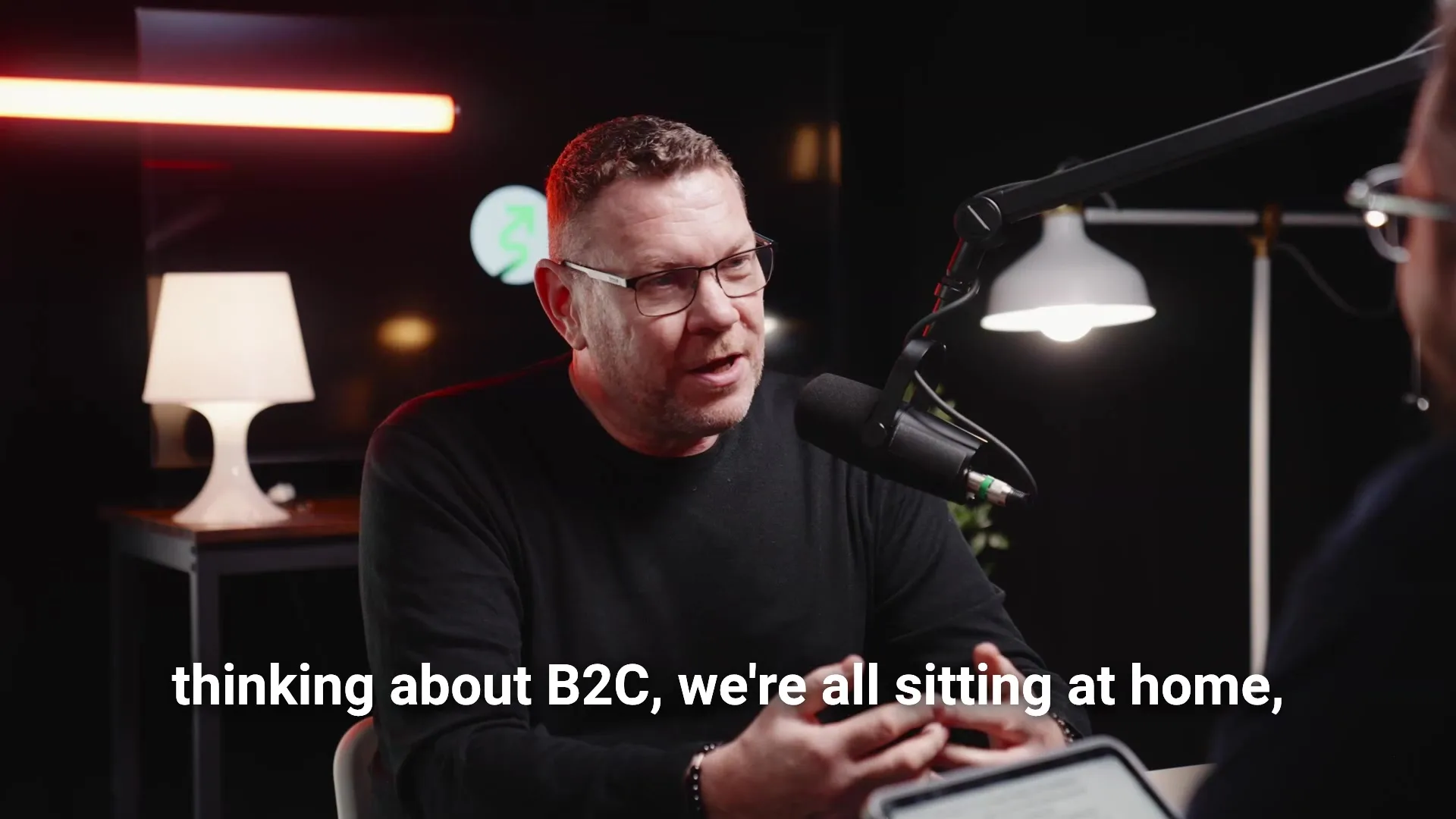
Lennart Bochmann in conversation with Industry Focus. Image: Industry Focus.
Lennart Bochmann describes SYNAOS’ beginnings through a gap observed while working in the automotive industry. The co-founders saw an opportunity to use software in the way goods moved through production and logistics, then chose to develop a business serving more than one company.
The conversation is especially useful as an account of product development. It connects engineering choices with market learning and the organisational change customers face when introducing a new operating model.
A familiar problem became the starting point
Lennart says the founders had worked together on production and logistics digitisation. Their investigation identified a difference between what an industrial customer needed and what they believed the available technology offered.
Lennart Bochmann speaking to Industry Focus. Image: Industry Focus.
The interview presents that experience as the reason to act, rather than a neutral survey proving the absence of every competing solution. His account establishes what the team saw and why it considered the problem worth pursuing.
He also explains why they did not want to keep the idea solely inside one corporation. A larger market was part of the ambition from the start.
The product focus changed as the market became clearer
Lennart acknowledges that the team did not initially understand the entire market. The early focus was a problem observed in one industry; later experience revealed related needs in other markets.
That recognition changed the way he describes the company’s orientation. Rather than treating product and market knowledge as opposing choices, the account follows the learning that connected them.
The useful lesson is not that every business should follow the same sequence. It is that a strong initial problem definition can still need revision when the product encounters different customers and operating conditions.
Product decisions need a route back from customers
Lennart describes a role spanning product management and market-facing activities. He values the connection because it brings customer requests and commercial experience into decisions about what to build.
The technical team then contributes the constraints and the work required to make a proposal real. The account is a feedback loop between the problem, the intended product and its feasible implementation.
This is a historical description of his responsibilities, not a statement of his present job structure. It is included because it explains how he thinks information should move inside the company.
A customer’s process is part of the transformation
The interview also identifies organisational change as a challenge. Lennart argues that existing manual processes cannot always be transferred unchanged into a digital operating model.
That creates a second product question beyond whether the software can perform a function. The customer also has to understand what changes in the way work is organised and which teams participate in making that change.
He discusses production, logistics and IT as relevant perspectives. None of this means a particular shift pattern automatically justifies an investment.
The future he describes remains mixed
Lennart presents a view in which people and automated equipment continue to perform different kinds of work. He sees standardised, repetitive tasks as suitable candidates for automation while recognising other strengths in human work.
That is a forecast in the interview, rather than a proven description of every future factory. Its relevance to the product story is the need to design for an operation containing different resources.
The conversation returns to a consistent idea: understand the problem, remain close enough to customers to learn, and connect those lessons with the people building the product. That is a more useful reading than treating the interview as a list of software features.
Free membership
Keep reading — it’s free.
Join with your company email to read every case study, interview and article in full. No payment, no card.