Eugeni from Magnetika on building a deep-tech company around a real problem
The Magnetika conversation follows the work of turning an unfamiliar technology into something a customer can understand and use.
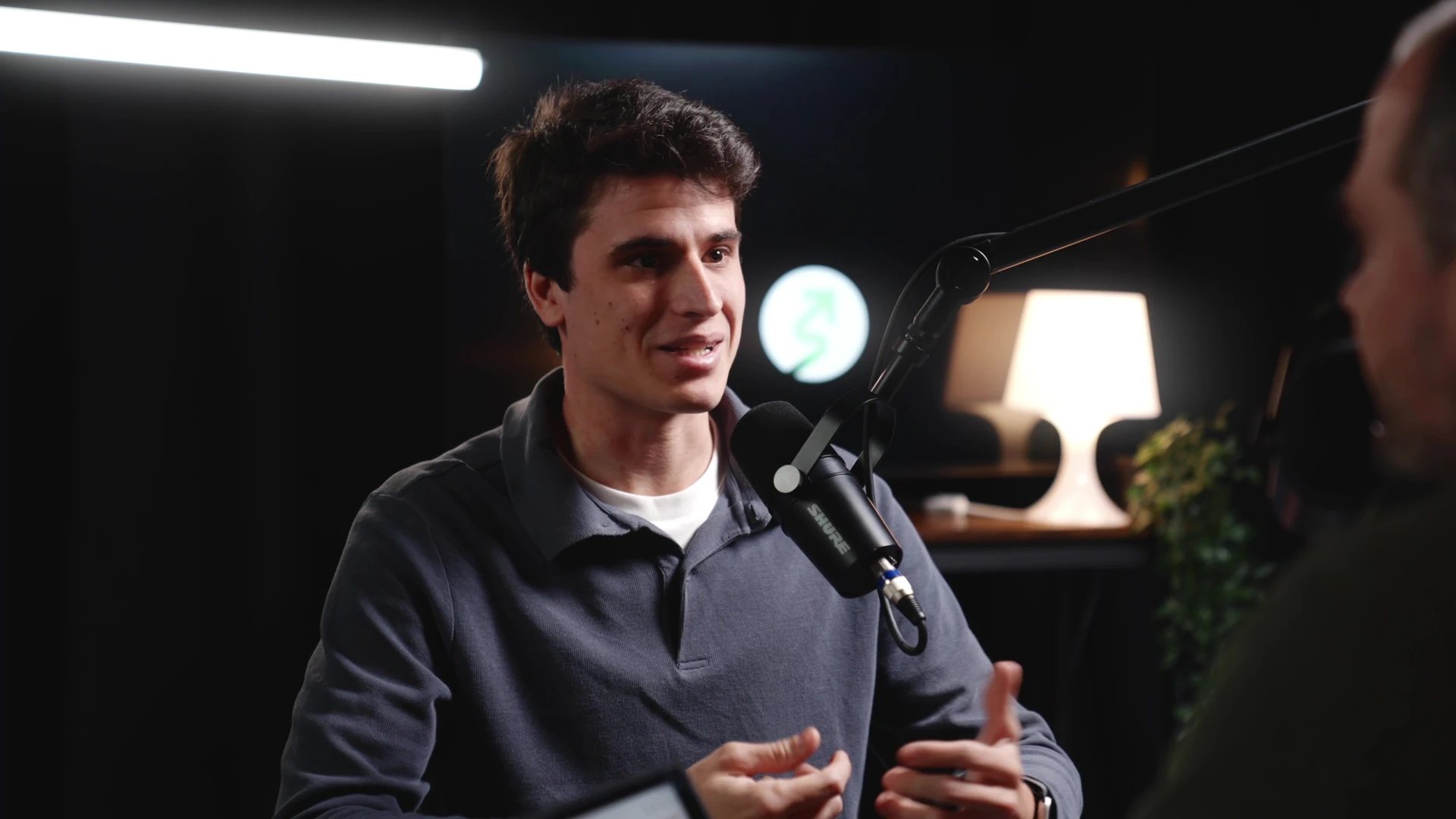
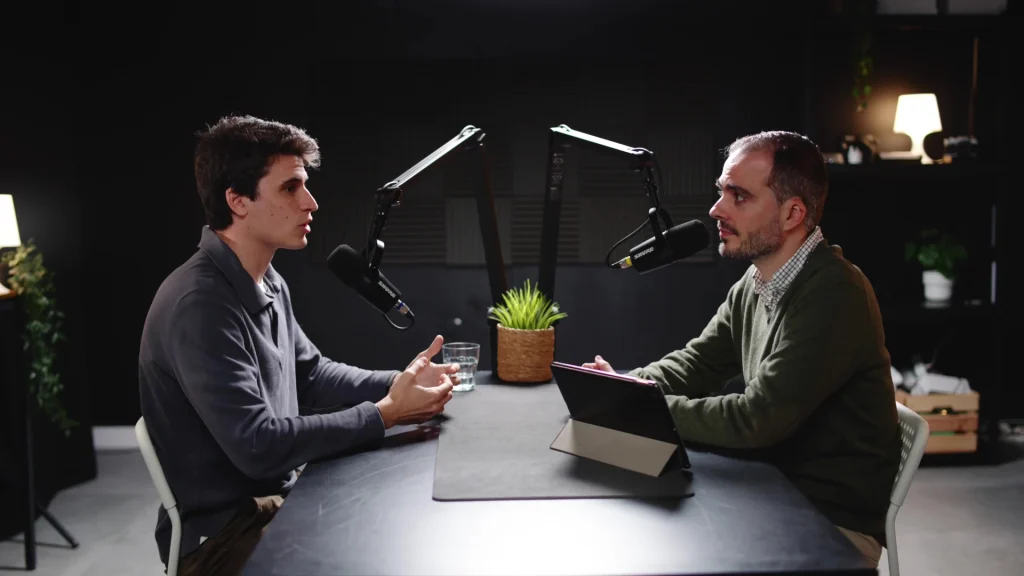
Eugeni of Magnetika in conversation with Industry Focus. Image: Industry Focus.
A deep-tech business has to develop technology and build the organisation that can bring it to market. Speaking to Industry Focus, Eugeni from Magnetika describes both sides of that work: the curiosity that drew him into engineering, and the practical need for teams, funding and customer feedback.
Career details and company plans are reported as he described them at the time of our interview, rather than as a current company profile. The conversation took place in Spanish and is reported here in English.
Curiosity becomes a way to choose a direction
Eugeni describes an early interest in how technical things work, followed by industrial engineering and a focus on automation and robotics. His route also included experience outside conventional industrial development, including e-commerce and software work.
Eugeni of Magnetika speaking to Industry Focus. Image: Industry Focus.
He does not present that variety as wasted time before finding the right specialism. Instead, he sees experience in different technologies as a way to become more adaptable and bring knowledge into later projects.
For students uncertain about a direction, his emphasis is on trying things: personal projects, investigation and practical experience. It is a view of professional development built through repeated exposure, rather than the expectation of identifying a permanent niche at the outset.
Technical depth and team leadership develop together
The interview traces a move from software work into building and leading a research-and-development team. Eugeni explains that understanding the technology remained important even as he took on the responsibility of moving projects and people forward.
He also discusses the difficulty of an earlier company closing. The account includes the challenge of leading a growing team and then facing the end of a project. He treats the experience as a source of learning rather than editing failure out of the career story.
That gives the interview an organisational dimension. Research work is not separate from the business conditions that make it possible, and an engineer’s responsibilities can extend well beyond the technical task.
Why complementary people matter
When discussing entrepreneurship, Eugeni argues against assuming that one person can provide every capability a new business needs. Sector knowledge, technical expertise and the ability to run a company can come from different people.
His description of Magnetika’s development connects scientific research with entrepreneurial support and later project-management needs. He presents his own role as taking responsibility for the project with the commitment of an entrepreneur, while distinguishing that attitude from being an original founder.
The underlying theme is collaboration with people who contribute knowledge the team does not already possess. The interview does not provide a universal formula for building a successful startup; it describes how he understands the combinations involved in his experience.
Development needs time and feedback
Eugeni describes research-intensive technology as requiring patience. The work must progress through development and validation before it becomes a usable product.
He also places potential customers and collaborators inside that process. Their feedback helps the team understand which characteristics matter and adjust the product to a real need. The relationship is therefore more than a sales conversation after development is finished.
On funding, he describes a mix of investors, entrepreneurial backing and public programmes. This is a historical account of the company’s approach, without specific investment terms or a claim about what is currently available.
The product has to be explainable
Wireless charging gives the conversation a concrete setting. Eugeni distinguishes developing a charger from making a battery and uses familiar examples to explain the company’s work. That ability to translate technical ideas into an operational problem is part of the transition from research to market.
The interview’s most useful thread is the connection between curiosity and accountability. Trying new technologies opens possibilities; bringing a product forward requires people, resources and a clear understanding of the user’s problem.
Questions answered
What does Eugeni emphasise for early-career engineers? Practical exploration and learning across projects before assuming a fixed direction.
How does he describe a strong startup team? Through complementary knowledge and collaboration, rather than expecting one person to know everything.
What role does customer feedback play? He describes it as part of developing and adjusting a product while the technology is still progressing.
Free membership
Keep reading — it’s free.
Join with your company email to read every case study, interview and article in full. No payment, no card.