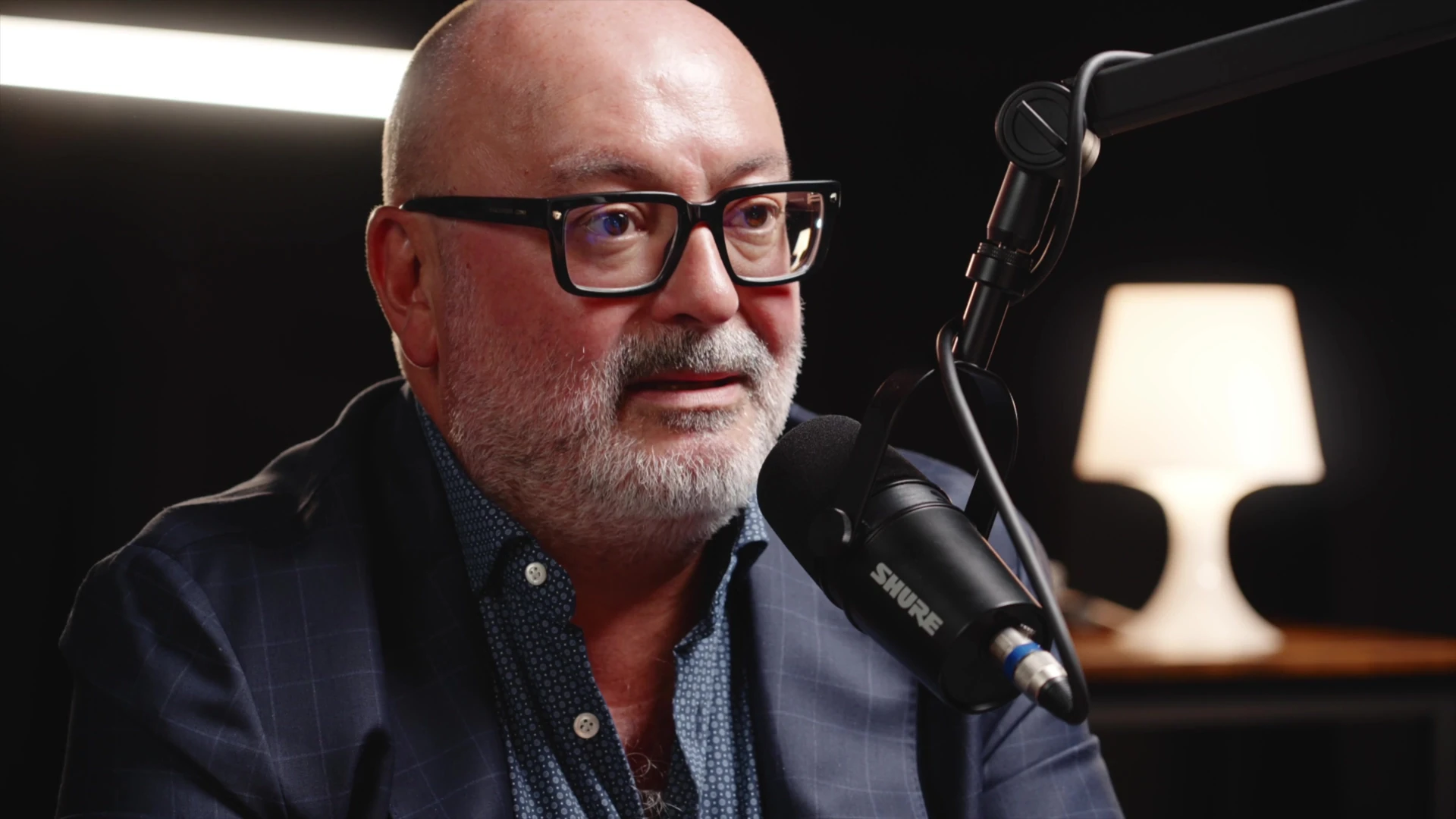
An industrial exhibition can show a manufacturer what is available. A more useful event also helps that manufacturer understand what to do next. Víctor Blanc, introduced as Event Manager of Advanced Factories, describes that second ambition as central to the event’s development.
In a conversation looking ahead to the 2025 edition, he explains how exhibitions, conference sessions and networking can work together. The enduring subject is how manufacturers turn a visit into informed decisions about automation, digitalisation and the competitiveness of their factories.
Blanc describes beginning in commercial work for Advanced Factories and gradually taking on broader responsibility. Close contact with exhibitors and visitors gave him a view of both technology supply and industrial demand.
The appeal of the sector, he says, lies in its constant development. New technologies create opportunities to improve production, while companies must decide which of those opportunities fit their operations. Working around an event means seeing many of those decisions take shape across different industries.
For an organiser, that creates a continuing challenge: provide value to companies at very different stages of adoption. A multinational with extensive automation experience and a smaller manufacturer taking its first steps will not arrive with identical questions.
How have industrial exhibitions changed?
Blanc describes a move away from treating floor space and the quantity of displayed equipment as the main measures of an event. Exhibition remains important, but he argues for combining it with a congress and structured opportunities to meet other businesses.
The format gives visitors several ways to approach a problem. They can see a solution, hear how another company applied a similar technology and speak with potential partners. Exhibitors, in turn, have more ways to communicate than a stand alone provides.
He also sees a more prepared visitor. Instead of simply asking what a technology is, people increasingly arrive with a production issue they want to solve. That raises expectations for exhibitors, who need to explain the relevance of their offer to a particular application.
Why do customer case studies matter?
For Blanc, accounts of implementation complement the supplier’s explanation. A manufacturer can hear what another business changed, how it introduced the technology and what benefit it obtained.
Large industrial companies provide useful examples, but he considers smaller businesses equally important. An SME may find a comparable company’s experience more accessible than a highly resourced multinational project. Seeing a peer take a practical step can help turn a broad interest into a specific investigation.
The relationship between conference and exhibition is important here. A visitor can encounter an application in a session, recognise its relevance and then discuss possible approaches with suppliers. The event becomes a place to connect learning with the search for a partner.
What makes an agenda useful rather than overwhelming?
Blanc describes organising content around sectors, technologies and professional responsibilities. A plant manager, an operations director and a senior executive may need different combinations of sessions, even when they work for the same business.
A clear programme helps visitors prepare before arriving. They can identify the topics that matter, choose a suitable day and reserve time for relevant exhibitors. That is more productive than entering a large venue without knowing where to begin.
His practical recommendation for a first-time visitor is to review the agenda and exhibitor information in advance, including through the event’s application. Preparation allows the visit to follow the company’s priorities rather than the order in which stands happen to appear.
How should sustainability enter the industrial discussion?
The 2025 conversation places particular emphasis on green technology and decarbonisation. Blanc argues that the issue needs to be translated into practical steps for factories, especially smaller businesses with limited resources.
A general statement that industry should become more sustainable does not tell a workshop manager how to proceed. He sees value in bringing together businesses that can explain the implementation process and the operational benefits they have observed.
Sustainability also involves more than one job function. Senior management, operations and other teams need to understand the implications. A focused forum can help those participants approach the subject from their own responsibilities while maintaining a shared objective.
Is artificial intelligence the only trend that matters?
Blanc recognises the attention around AI but places it alongside other industrial technologies. Mobile and collaborative robotics, digital integration, cybersecurity and additive manufacturing all remain relevant to factory operations.
His emphasis is on application. Visitors need to understand what a technology contributes, how it fits into existing processes and what implementation entails. Interest in a fashionable subject should not crowd out less conspicuous improvements with a clear practical value.
That outlook also connects with his view of industrial competitiveness. He argues that adopting suitable technologies can help European manufacturers improve their cost base and resilience. The argument is strategic, but it still depends on individual companies making useful operational choices.
What should exhibitors do before the doors open?
Blanc describes tools intended to support communication, invitations, presentations and lead collection. Their usefulness depends on exhibitors actively using them. Booking a stand does not replace planning the conversations a company hopes to have.
He explains that the organising team follows up on preparations because businesses can overlook opportunities while dealing with everyday work. A useful event plan connects marketing, sales and technical staff so that the message, visitor invitations and demonstrations support one another.
The same preparation helps international exhibitors working at a distance. Clear information and operational support reduce the burden of coordinating participation while allowing the company to concentrate on its potential customers.
Why does meeting in person still matter?
Digital tools improve the experience, but Blanc sees continuing value in being physically present. Visitors can examine products, see them work and discuss a requirement directly. Translation and other technologies can make that exchange more accessible without replacing it.
One of his strongest memories is of an edition after the disruption of COVID, when participants applauded at the close. He recalls it as recognition of the effort to bring the industry together again and help businesses resume their conversations.
For Blanc, that response captures the purpose behind the organisation: create conditions in which industrial companies can learn, find partners and move forward with more confidence.
Frequently asked questions
How should a manufacturer prepare for an industrial event?
Identify the operational questions to explore, review relevant sessions and exhibitors, and build an agenda before arriving.
Why attend sessions as well as visit stands?
Implementation accounts can provide context for evaluating suppliers and help visitors understand how a technology has been used in practice.
What makes an event useful for an SME?
Relevant examples, accessible technical discussions and contact with potential partners can help a smaller company identify an appropriate next step.