Natxo from Compitte: industrial knowledge makes cooperation useful
The Compitte interview connects a close understanding of industrial businesses with the value of a wider professional network.
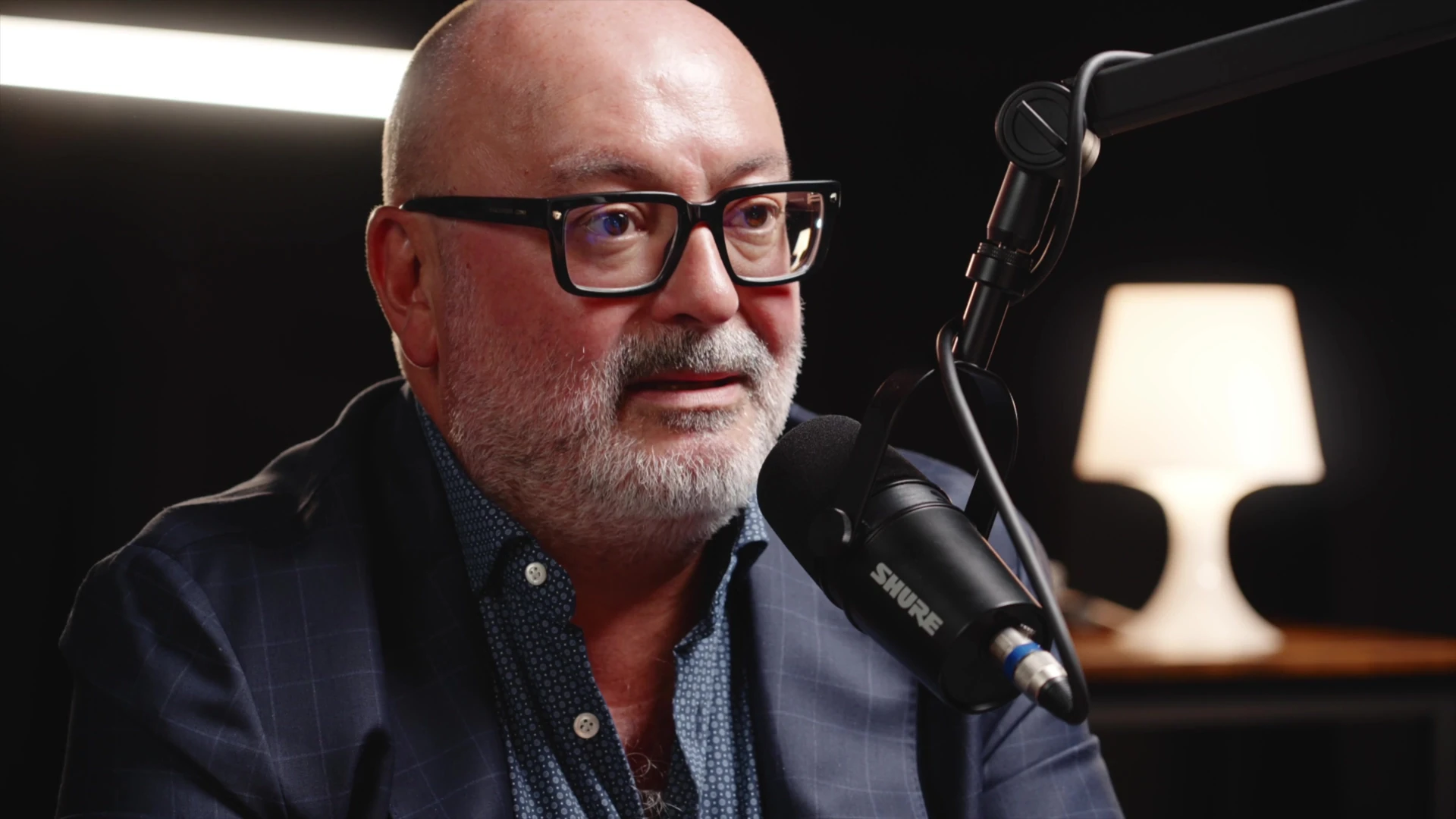
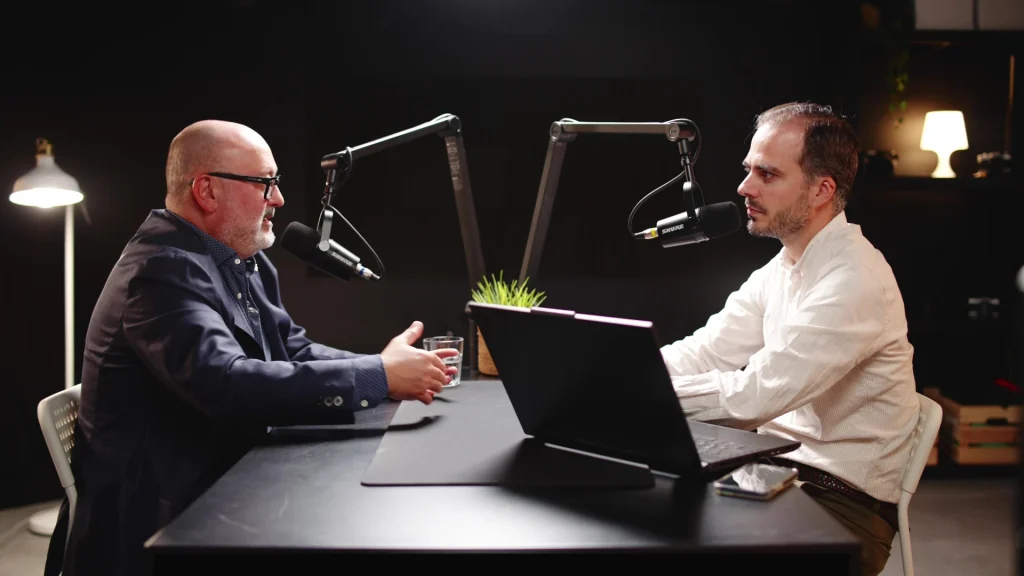
Natxo of Compitte in conversation with Industry Focus. Image: Industry Focus.
Speaking to Industry Focus, Natxo from Compitte describes a business built around understanding industrial customers. The discussion starts with risks and insurance, but develops into a wider conversation about cooperation, relationships and the practical knowledge needed to support a manufacturer.
Our conversation took place in Spanish and is reported here in English. It sets out Natxo’s approach as he described it at the time; it is not legal, insurance or financial advice, and his description of the company’s services is not a current service guarantee.
Understanding the customer before describing the service
Natxo explains his background in industrial risk management through experience with metalworking businesses. His focus is the work those companies perform, the commitments they make and the problems that affect their owners.
Natxo of Compitte speaking to Industry Focus. Image: Industry Focus.
In his account, useful support depends on understanding what the customer itself delivers to the market. A manufacturer’s exposure cannot be understood simply by placing it in a broad industry category. Its technologies, customers and stage of development matter to the conversation.
That explains why he returns repeatedly to direct knowledge of industrial operations. The relationship is built through learning what the business is trying to achieve, rather than beginning and ending with a standard product description.
Translate between specialist worlds
The interview describes a gap between industrial activity and the way that activity is understood in the insurance sector. Natxo presents Compitte’s role as helping translate detailed knowledge of one world into the language of the other.
He distinguishes the company’s consultancy role from the work of allied insurance brokers, explaining that collaboration with those specialists is part of the model. That is his description of the business at the time of our interview, not an independently verified statement of its current regulated status.
The organisational point is that a company can contribute expertise without trying to perform every specialist function itself. The value comes from understanding how the pieces connect and choosing collaborators accordingly.
Cooperation as an operating method
Natxo treats cooperation as a defining part of Compitte’s identity. He describes working with partners who have particular knowledge and using industrial ecosystems to create relationships between companies.
In the later discussion, that view extends beyond the immediate service. He talks about introducing customers to networks and alliances that may help them develop commercial or technological relationships. The interview presents those introductions as part of a longer-term commitment to the customer.
This is not evidence that joining an association automatically improves a business. It is an account of how Natxo sees a professional network becoming useful: through specific people, shared knowledge and opportunities relevant to the company.
Innovation has to connect to the industrial context
The discussion also turns to mobile robotics and industrial development. Natxo is enthusiastic about cooperation among companies, but says automation should have a purpose rather than be pursued simply because technology is available.
That links the wider conversation back to the customer’s strategy. A new technology has to sit within the work the company needs to perform and the way it expects to compete.
Natxo also shared broader views on economic change, employment and the pace of innovation. Those are his opinions, and his examples and predictions should be read as such rather than as verified economic facts.
Trust develops through repeated involvement
When asked what Compitte does, Natxo returns to knowing customers closely and anticipating the issues connected with their plans. He describes trust through the willingness of a customer to ask questions beyond the immediate transaction.
The interview therefore offers a perspective on professional services in an industrial setting: understanding the operation, connecting specialist knowledge and remaining involved as the company changes. The argument is less about the size of a network than the relevance of the relationships within it.
Questions answered
What is the central theme of the interview? Knowing the industrial customer well enough to connect its needs with relevant specialist knowledge.
How does Natxo describe cooperation? As an active way of working with experts and industrial networks, rather than doing every task inside one company.
Does this article recommend a particular insurance arrangement? No. It reports Natxo’s business perspective and contains no coverage or contractual recommendation.
Free membership
Keep reading — it’s free.
Join with your company email to read every case study, interview and article in full. No payment, no card.