Philippe from Vectioneer: motion software starts with the person using the machine
A conversation about embedded control becomes a wider argument for usable machines and engineering choices that remain open.
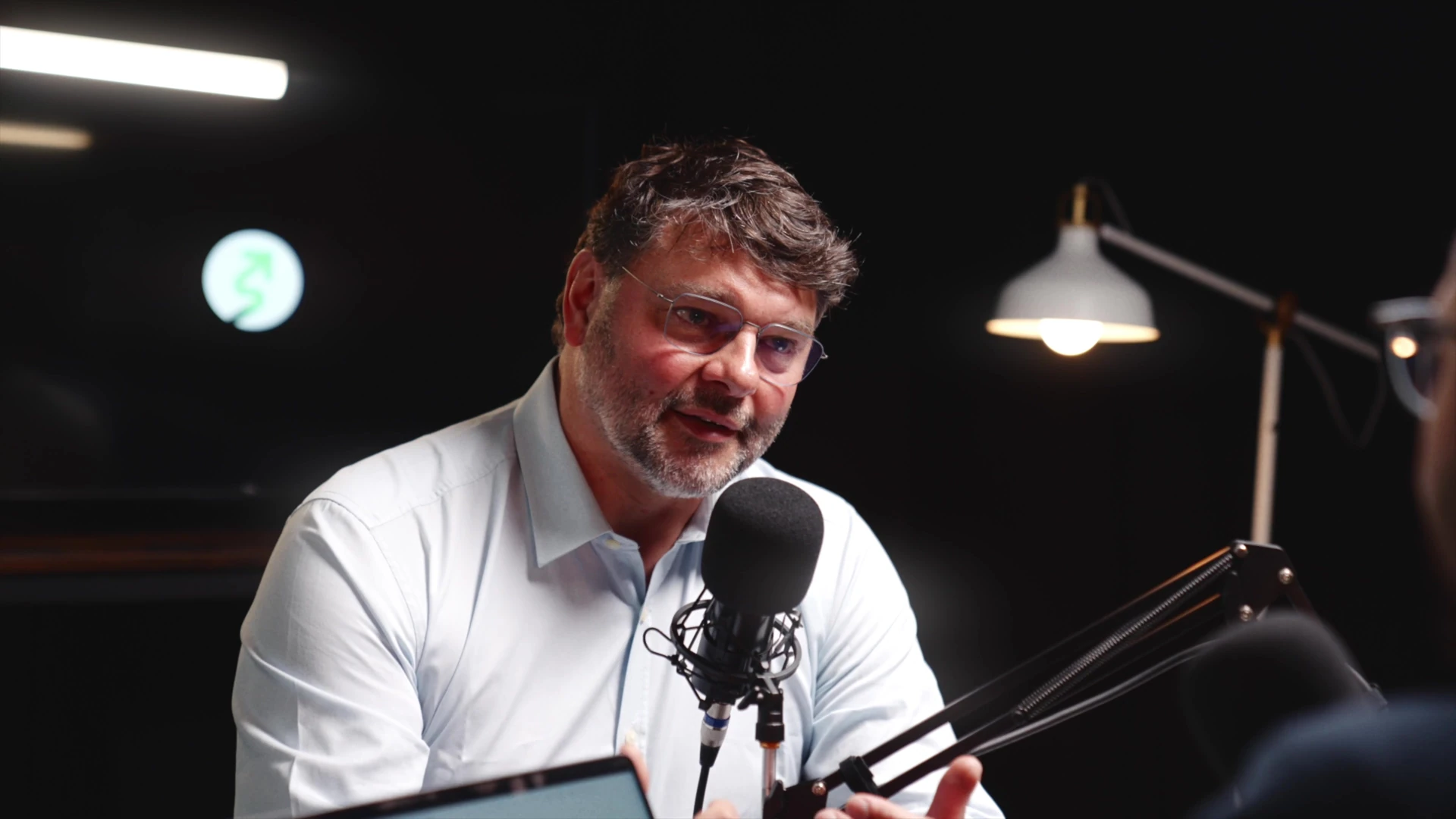
Philippe of Vectioneer in conversation with Industry Focus. Image: Industry Focus.
For Philippe from Vectioneer, making a motor turn is only part of the software problem. Speaking to Industry Focus, he describes a broader ambition: machines should give people useful information, respond well and remove tedious work.
That human-centred perspective connects the interview’s discussion of Motorcortex, embedded control, interfaces and engineering freedom. These are his views as he shared them with us, not a current product specification or an independent comparison with other control platforms.
Start with what the customer needs the machine to do
Philippe describes Vectioneer’s approach as systems engineering. The question extends beyond how to write software for a task to what the customer wants to achieve and how the complete machine should work.
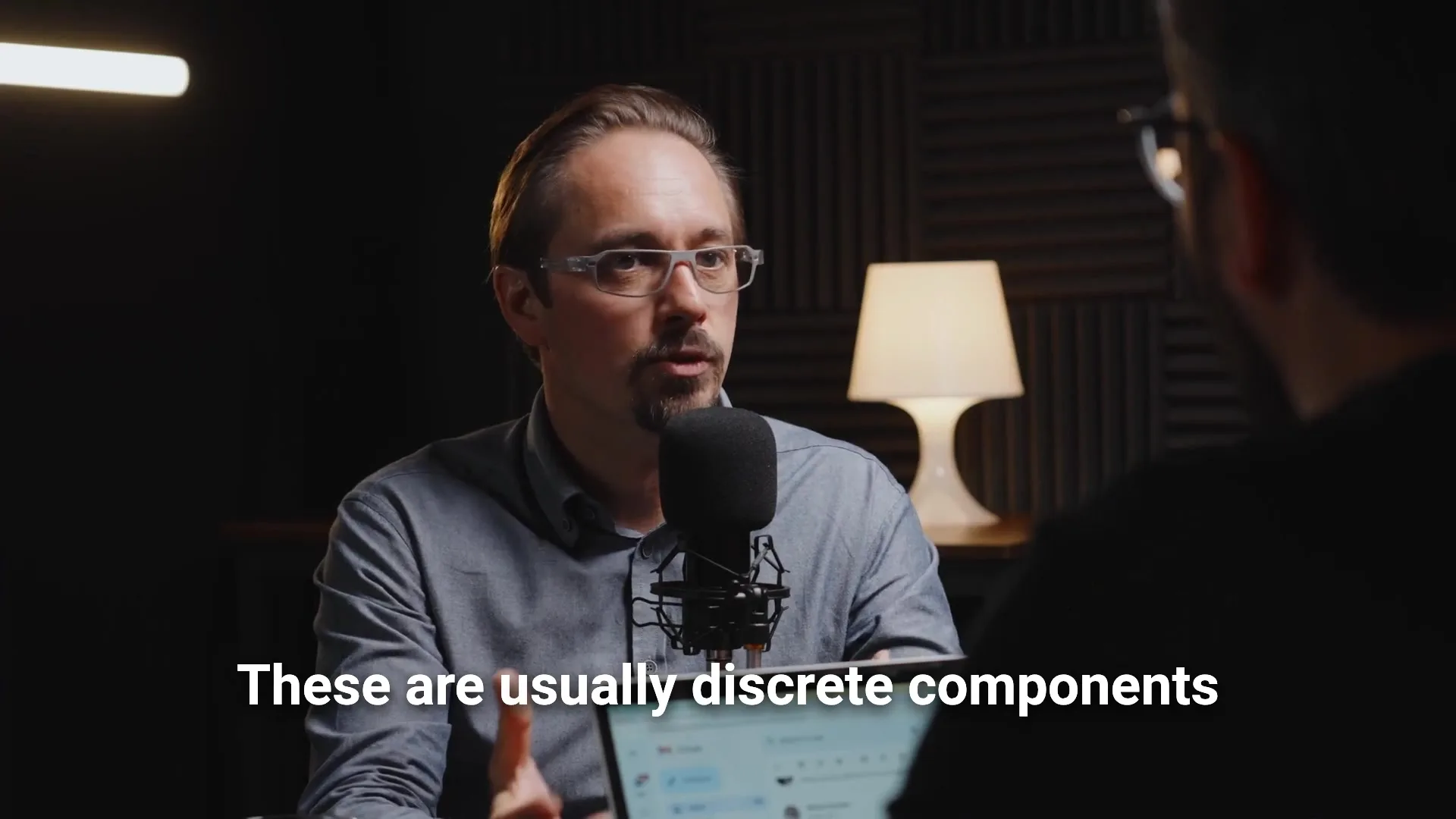
Philippe of Vectioneer speaking to Industry Focus. Image: Industry Focus.
In his account, the motivation for developing the company’s own platform came from encountering limits in existing commercial systems. He wanted more freedom to connect functions and build a better user experience.
That gives the software discussion a clear purpose. An interface, control function or integration method is valuable because of what it allows the person and machine to accomplish, rather than because it belongs to a fashionable architecture.
How he describes Motorcortex
The interview presents Motorcortex as an embedded motion-control system using a hard real-time Linux foundation, with middleware and an open API. Philippe describes those choices as a way to connect other systems and make data accessible.
He also explains the use of a browser as the main user interface. In his view, browser technology creates access to familiar tools and to people with relevant interface-development skills.
These are the platform characteristics described in the historical conversation. A team assessing the product today would need the current documentation for supported hardware, versions, interfaces and deployment requirements. The interview alone does not establish compatibility with an arbitrary device.
Hardware independence as a design ambition
Philippe links software flexibility to the ability to choose hardware. He discusses supply constraints experienced during the pandemic and the difficulty of depending on one particular control component.
His argument is that moving functions to a software layer can reduce some forms of dependence on device-specific features. He presents this as part of Vectioneer’s direction and a reason customers may value an open architecture.
That is not the same as proving that any component can replace any other without engineering work. The useful question raised by the interview is which dependencies are built into a design, and what happens when one of those components changes.
Software comes with a systems perspective
The conversation also examines the expertise required to maintain a control platform. Philippe describes operating-system work, application development and other specialist tasks that a customer might otherwise need to organise internally.
He sees Vectioneer’s contribution as combining software with the ability to reason about the whole system. His examples include mechanical choices and the difficulties that appear when disciplines meet.
The point is particularly relevant to a machine builder with strong specialists but limited capacity to connect all their decisions. The interview frames that connection as a service in its own right.
He does not claim the same answer fits every customer
Philippe acknowledges the scale of the step from an established PLC arrangement to an embedded system. He also says customers satisfied with an existing approach may continue using it.
That qualification matters. Although he argues strongly for his direction, the interview is not evidence that every PLC application should be replaced or that one software platform is universally superior.
The most useful reading is a discussion of trade-offs: openness, available expertise, maintenance responsibilities, hardware dependencies and the experience of the person using the machine. Those questions make the platform conversation specific enough to evaluate.
Questions answered
What drives the approach described in the interview? Human-centred engineering and the ability to connect the functions a customer needs.
Why use browser interfaces? Philippe points to familiar technology and the availability of interface-development expertise.
Does he recommend replacing every existing controller? No. He recognises the transition involved and the suitability of different approaches for different customers.
Free membership
Keep reading — it’s free.
Join with your company email to read every case study, interview and article in full. No payment, no card.