Jesús Ortiz: an integrator has to connect more than robots
Our conversation places technology inside a wider story about a changing family business and its customers.
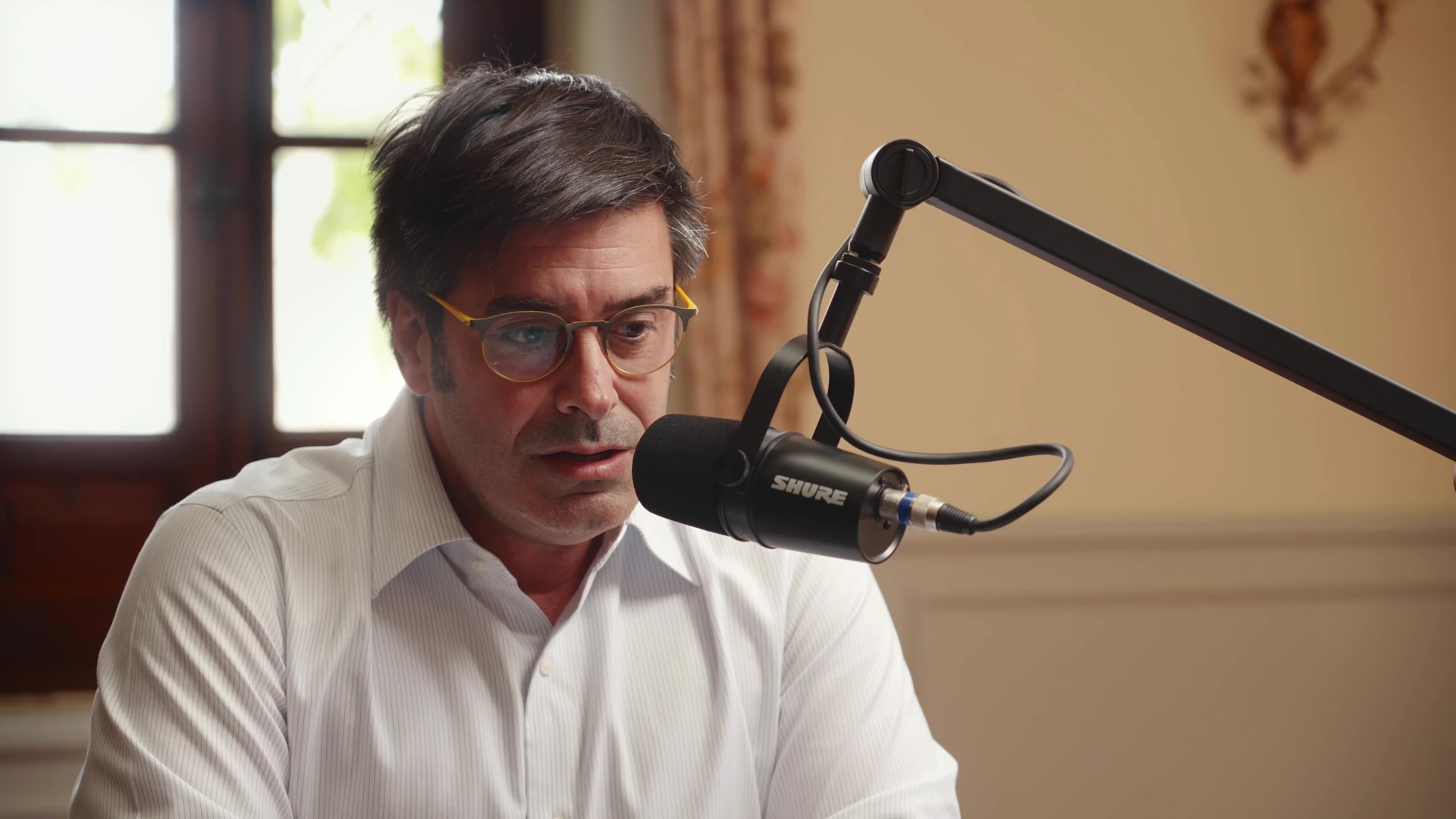
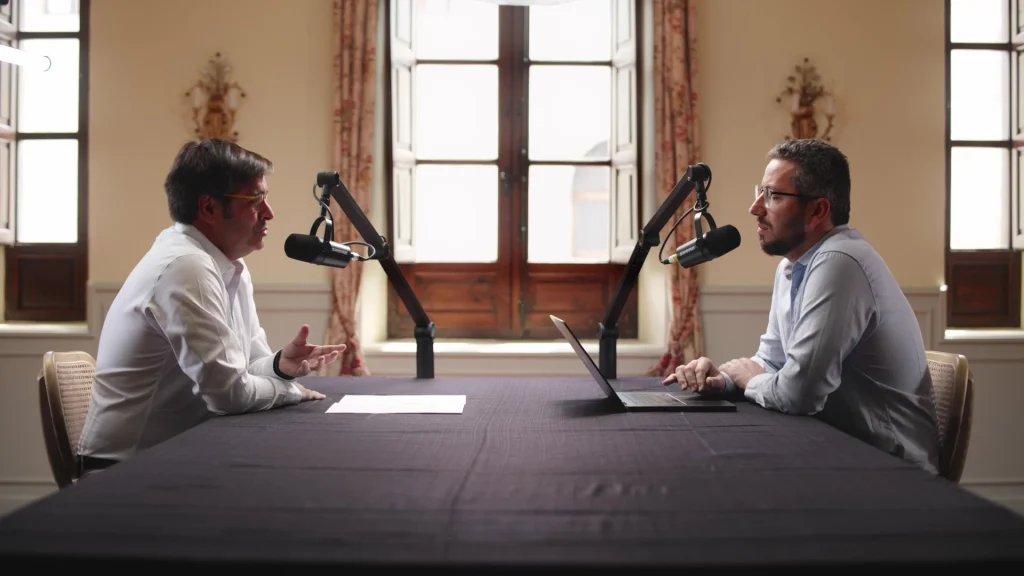
Jesús Ortiz in conversation with Industry Focus. Image: Industry Focus.
Speaking to Industry Focus, Jesús Ortiz describes Orbelgrupo through a combination of material-handling experience, process consulting and robotics integration. His perspective is that selecting equipment is only part of the work: the customer’s process and the people delivering the project also have to connect.
Jesús Ortiz appears on Orbelgrupo’s official team page; the account here follows our conversation rather than current staffing figures or commercial claims. Identity reference.
A family business develops new kinds of work
Jesús describes the company’s origin as a small workshop founded by his father. His own experience included sales, commercial management, finance and project responsibilities before the mix of work expanded further into consulting and integration.
Jesús Ortiz speaking to Industry Focus. Image: Industry Focus.
The useful point is the variety of knowledge inside that account. A company serving industrial customers can develop from maintaining and supplying equipment into understanding a wider operating problem.
The years and employee numbers he mentioned refer to the time of our interview and are not restated here as present-day facts.
Consulting starts with the customer’s process
Jesús explains the process-optimisation work in terms of studying operations, layouts and logistics before choosing technology. He describes an early concentration on ceramics, reflecting the industrial environment around the company, alongside work in other sectors.
That gives the integration role a clear context. A robot is selected to participate in a process rather than becoming the starting assumption for every customer request.
The interview does not provide a controlled comparison of competing solutions. It explains how Jesús understands the responsibility of advising a customer and choosing an approach for the application.
Business and technical knowledge have different roles
When discussing his background, Jesús identifies business and marketing studies, along with project-management experience. He places engineering and software expertise within the team around him.
This is not a claim that technical knowledge is unnecessary. The account distinguishes the ability to lead and understand the wider project from the specialist work required to make its parts function.
It also explains why changing the mix of services affects the company itself. Work that once depended mainly on mechanical skills can require additional disciplines and new ways to organise people.
Integration extends across technologies
The conversation describes logistics, mobile robotics and fixed robotics as parts that may have to work together. Software and communication become important because the customer needs the complete process to operate coherently.
Jesús also discusses cooperation through ARME as a way to find partners with complementary capabilities. That is how he approaches collaboration, not a guarantee that an association membership resolves a particular technical problem.
The useful distinction is between possessing every technology internally and knowing how to combine the right knowledge for a project.
Change is also a customer relationship
The interview returns to the difficulty of introducing a new way of working. Jesús describes the need for the customer and provider to share a direction over the life of the project, particularly when circumstances change.
That connects the company story with the work it sells. Integration is not only an engineering handover; it also involves understanding the customer’s priorities and sustaining decisions as the project develops.
The conversation is strongest as a profile of that broader role. It brings business experience, specialist teams and cooperation into the same picture, without needing an unsupported promise about payback or a claim that hardware has become identical across the market.
Free membership
Keep reading — it’s free.
Join with your company email to read every case study, interview and article in full. No payment, no card.