Expert Symposium archive: NEURA’s case for reusable robotic skills
The session asks what changes when a robot is approached as a platform for skills rather than a single fixed application.
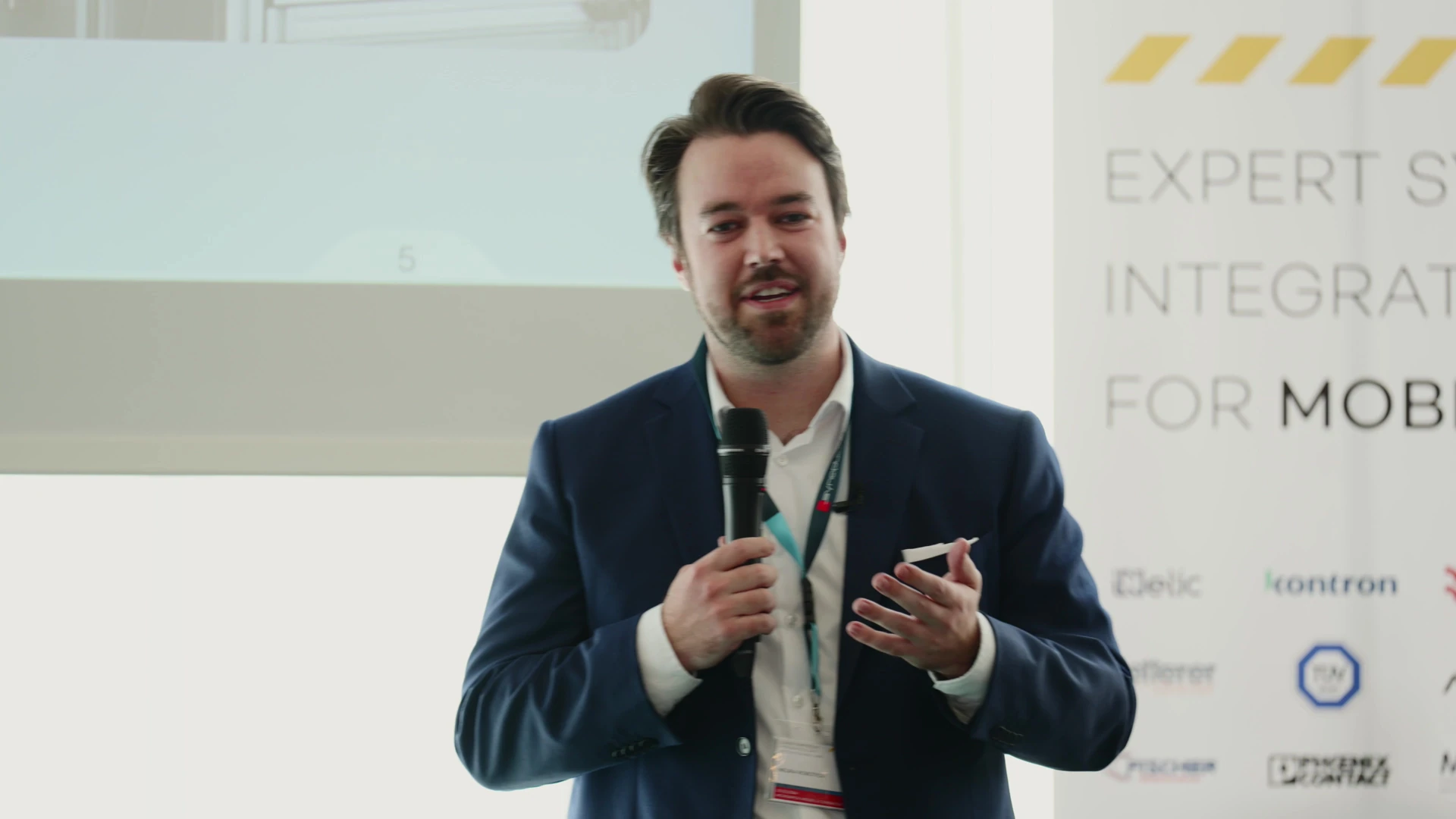
A NEURA Robotics presentation in the Synapticon Expert Symposium archive connects cognitive robotics with sensing, interaction and reusable skills. The speaker uses a platform analogy to explain an ambition: application knowledge developed once should become easier to use again.
The recording is catalogued in the 2024 symposium archive. Product plans, company figures and market opinions belong to that historical presentation; this recap does not treat them as current specifications or independently validated capability.
Start with the task a person wants completed
The presentation distinguishes prescribing every movement from asking a robot to complete a useful task. The speaker argues that broader assistance requires understanding more of the environment and the person involved.
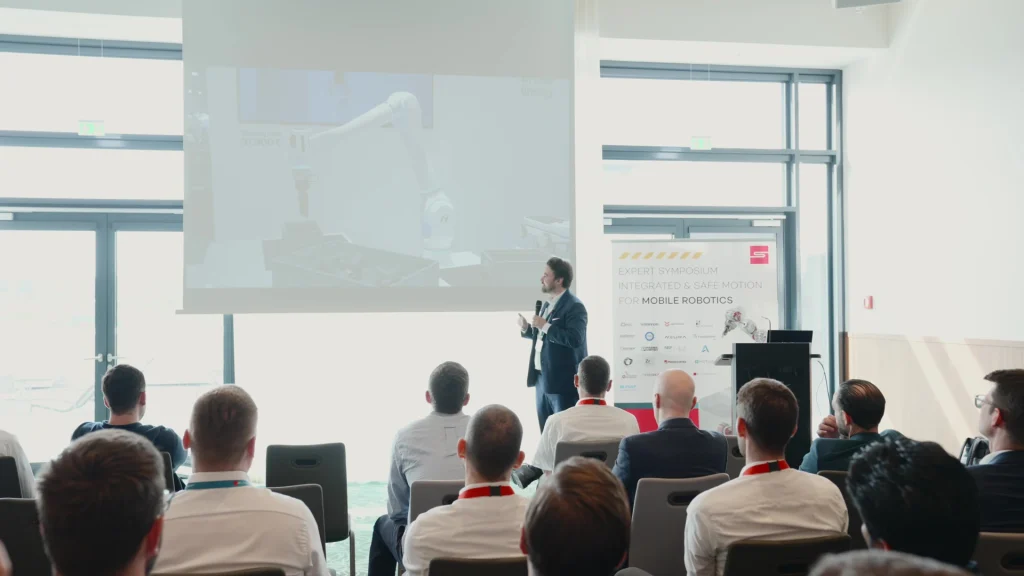
That is the conceptual direction of the talk. It does not establish that a demonstrated system can perform any task or resolve every unexpected situation autonomously.
The distinction is still useful: a sequence that works in one prepared setting is different from a capability that can be applied under changing conditions.
Sensing and interaction support the platform idea
The speaker connects integrated sensing with different ways of working with a robot, including talking, showing and guiding. The argument is that a consistent set of underlying capabilities can make later applications easier to develop.
This is a supplier’s explanation of its approach. The film provides no controlled comparison of integration effort, task reliability or the accessibility of the system to all users.
The recap therefore reports the intended relationship between common capabilities and future applications, without converting the analogy into a measured result.
Reuse means retaining application knowledge
The presentation gives an example of working with specialist welding knowledge and making the resulting application available for later use. It compares that direction with a platform on which multiple contributors can develop skills.
The useful question is what is reusable. A software application, a learned behaviour and the validated conditions for a physical task are not necessarily the same thing.
The source does not provide sufficient detail to establish the transfer requirements between different installations. It introduces the platform ambition rather than documenting universal portability.
Acceptance belongs in the discussion
The speaker also addresses whether people feel comfortable working with a robot. That expands the definition of useful assistance beyond a technically efficient movement.
This recap does not repeat the presentation’s broad criticisms of cobots or infer a complete safety case from integrated sensors. User comfort, capability and application safety remain separate questions requiring their own evidence.
What the archived session makes visible
The session is valuable as a record of a platform-oriented vision: common sensing and interaction capabilities supporting a wider set of applications and contributors.
For a reader following robotics development, the next questions concern the task demonstrated, the knowledge that can actually be reused and the work still required at the next site. Keeping those questions visible allows the symposium discussion to be understood on its own terms, without presenting a historical vision as a completed deployment result.