Endika Gil: trust is part of running a robot-security company
The conversation moves from connected machines to the demands of building a service that industrial customers can depend on.
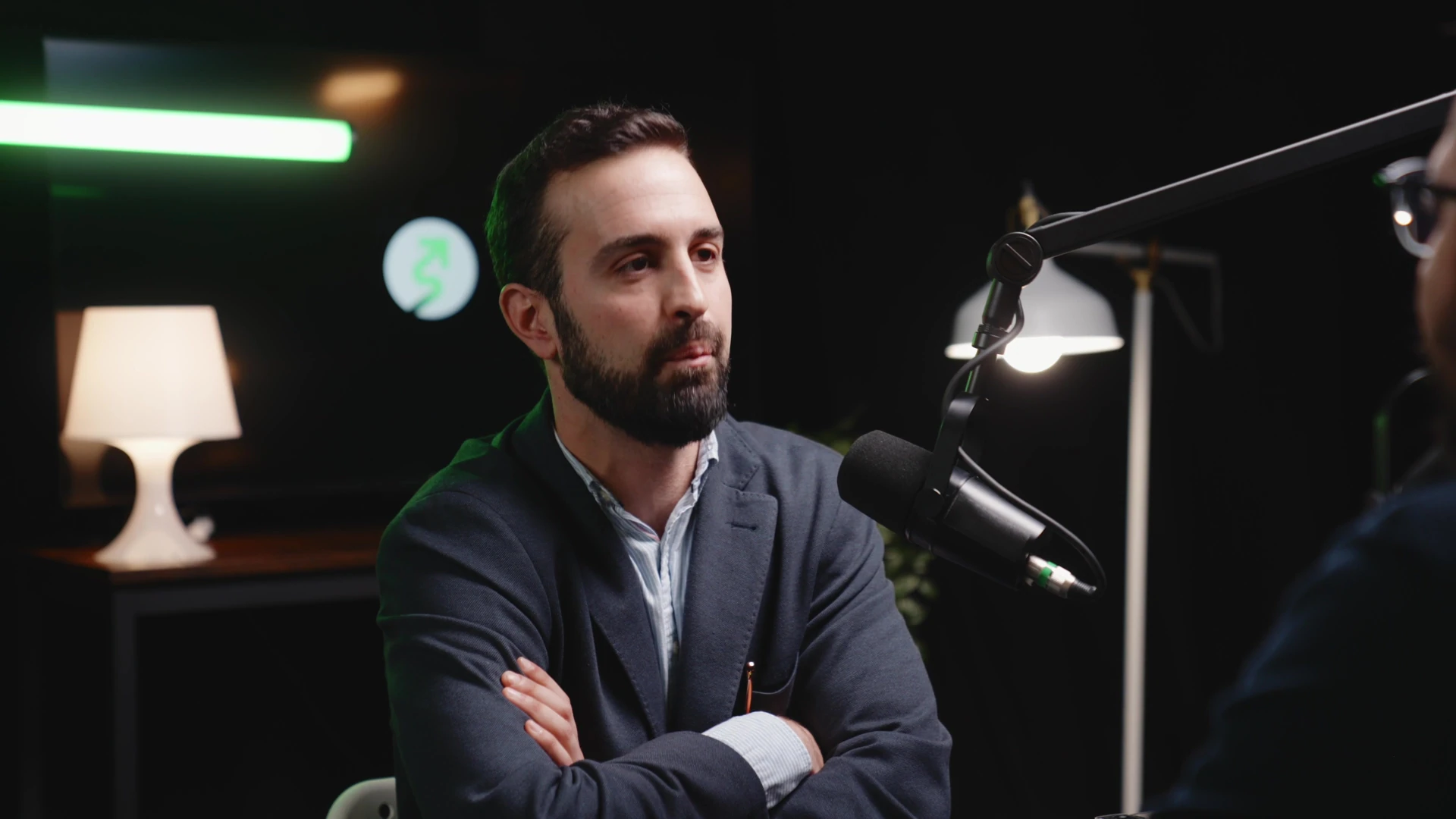
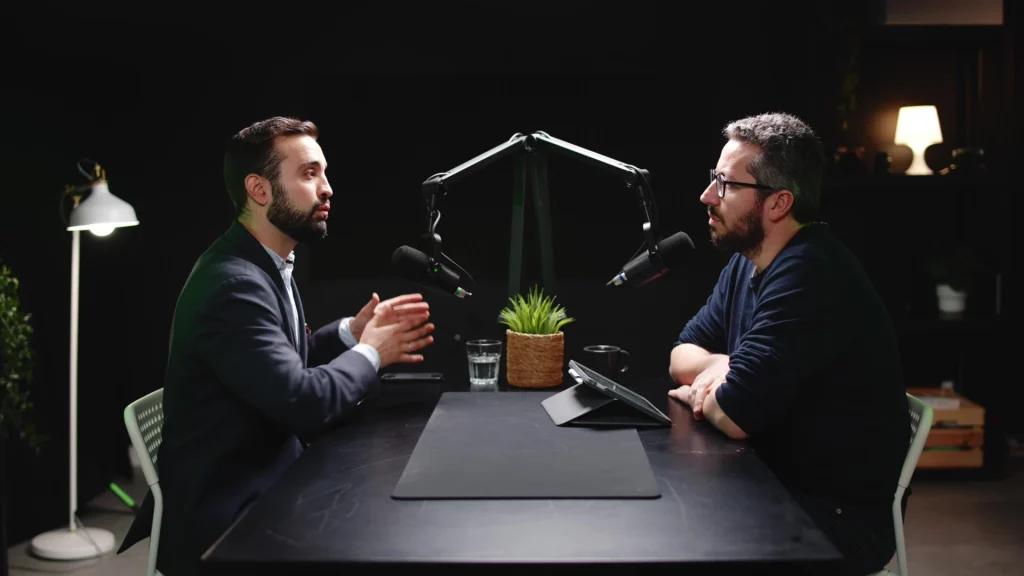
Endika Gil in conversation with Industry Focus. Image: Industry Focus.
Endika Gil’s conversation with Industry Focus begins with the physical consequences of a robot-security incident, but it also contains a clear account of the business behind the technology. A security provider is being trusted with systems that matter to a customer’s operation.
His views are reported as he expressed them at the time of our interview; his legal predictions and vendor statistics should not be read as current facts.
The customer is trusting an operating relationship
When asked what it takes to run a cybersecurity company, Endika returns to trust. He describes customers needing confidence both in the technology and in the service provided around it.
Endika Gil speaking to Industry Focus. Image: Industry Focus.
That makes the relationship broader than a purchase. The provider’s knowledge, reliability and ability to understand the customer’s environment are part of the value being discussed. He did not share a satisfaction survey or independent evidence for every result the company claims.
The useful point is the responsibility Endika associates with the work. A security service participates in an operation where disruption has practical consequences, so the provider has to be clear about what it undertakes to do.
Robotics brings specialist knowledge into the conversation
Endika distinguishes robotics from a purely data-oriented setting because the systems act in the physical world. He also emphasises that the circumstances of an installation shape its exposure.
In his account, knowing how machines connect, how they are maintained and how they behave is part of the expertise required. That perspective helps explain why Alias Robotics has focused its work on the robotics domain rather than describing security as the same task in every context.
Beyond any comparison between industries, the more useful theme is the specific relationship between a robot, its environment and the consequences of a problem.
A provider also has to examine its own work
The conversation includes the need to stay informed about threats and assess the company’s own products. Endika describes specialist testing and ongoing learning as part of that effort.
That adds an important qualification to the trust theme. Confidence is not simply a marketing message about the customer’s systems. The provider itself has to investigate, maintain and question the technology it supplies.
No independent security audit of a named product was shared. The account is therefore useful as a description of the approach Endika values, rather than proof of a completely protected system.
AI changes the tools and the questions
Endika discusses AI as a potential change in the way security professionals work. He connects the discussion to the effort involved in specialist assessments and the difficulty of finding experienced people.
He also points out that AI systems introduce their own security questions. That prevents the topic from becoming a simple promise that adding AI resolves the problem. New tools and new dependencies can arrive together.
These are views expressed in the historical interview. Their value lies in identifying the direction of the questions, without inventing a measured reduction in assessment time or a prediction that has already come true.
Keep the boundary of the claim visible
The interview is strongest when it connects responsibility with technical specialisation. A customer needs to understand the operation being assessed, while a provider needs to explain the scope of its work and the evidence behind it.
Endika’s account offers a business perspective on that relationship: expertise has to be maintained, promises have to be credible and trust depends on the work around the product. Those themes remain useful without relying on dramatic downtime figures or an unverified claim that a robot can be made invulnerable.
Free membership
Keep reading — it’s free.
Join with your company email to read every case study, interview and article in full. No payment, no card.